
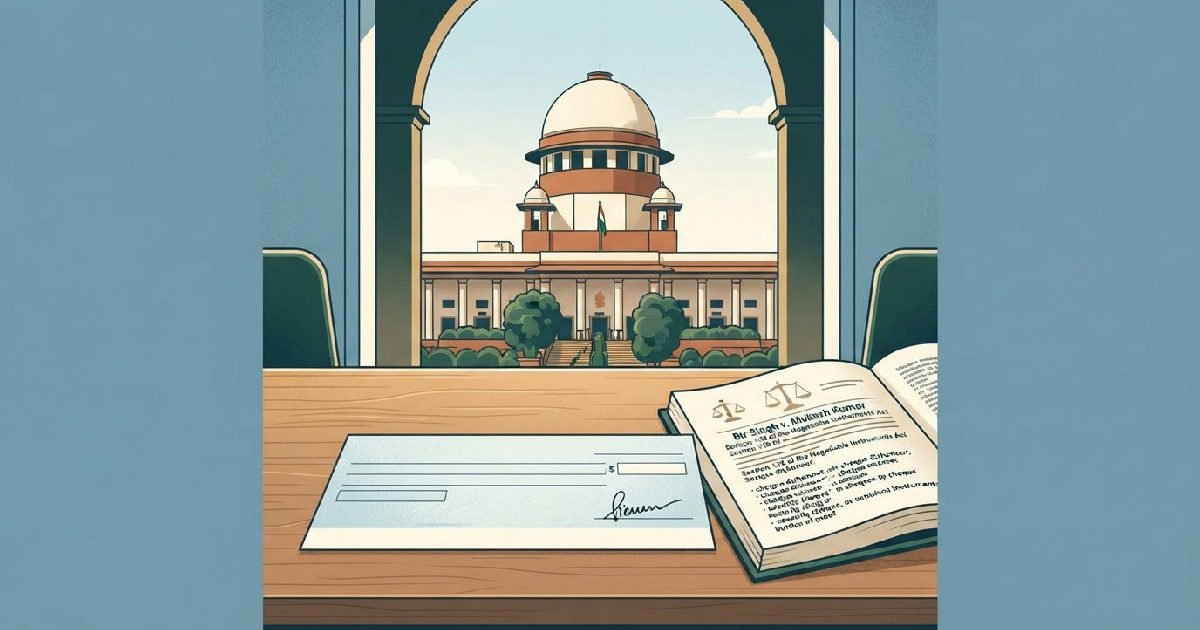
Blank Signed Cheque Filled Later for a Higher Amount – Section 138 in Delhi
Blank signed cheque filled later for a higher amount is not an automatic end to Section 138 in Delhi. Authority to fill and the real debt are the questions.
Read More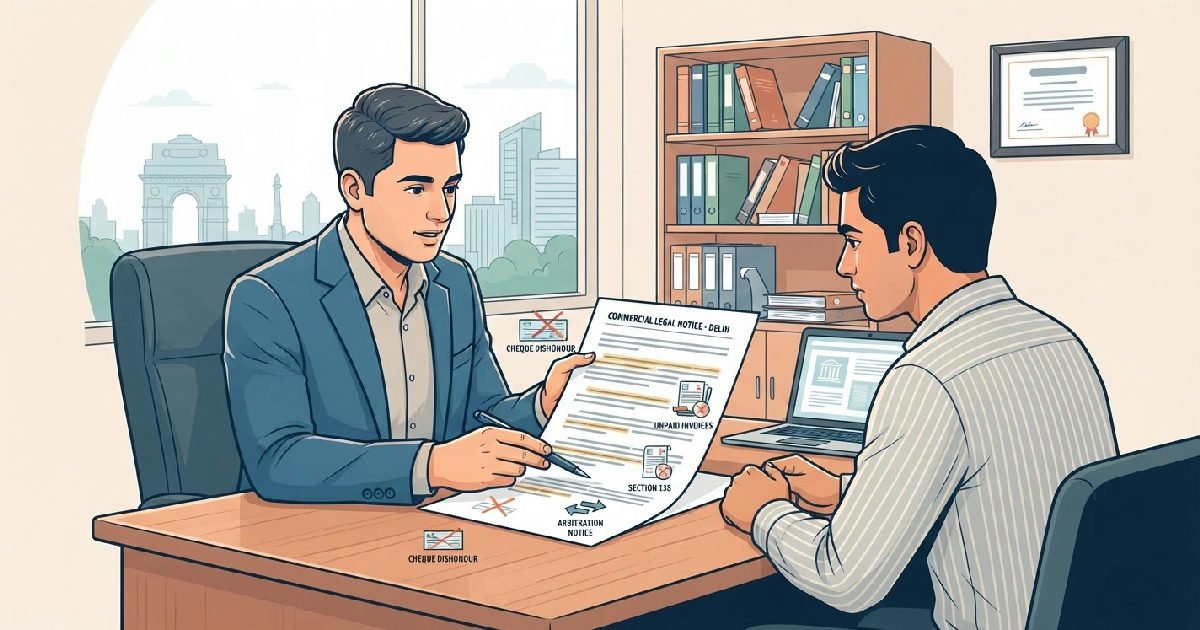
Replying to a Commercial Legal Notice in Delhi – What Not to Admit
Replying to a commercial legal notice in Delhi is a record, not a WhatsApp chat. Do not admit the full figure, the interest rate or “we will pay by Friday”…
Read More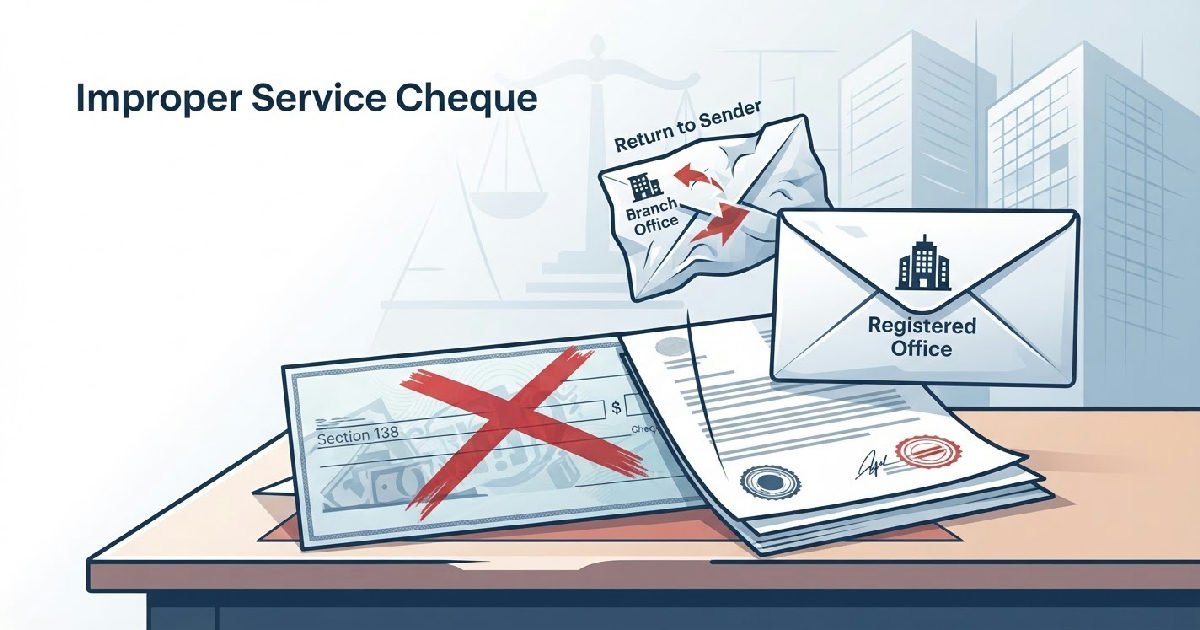
Cheque Bounce Notice Sent to Branch Office, Not Registered Office
Cheque bounce notice sent to branch office can still work if that address is on the cheque or invoices. Sending only to a dead branch and skipping the…
Read More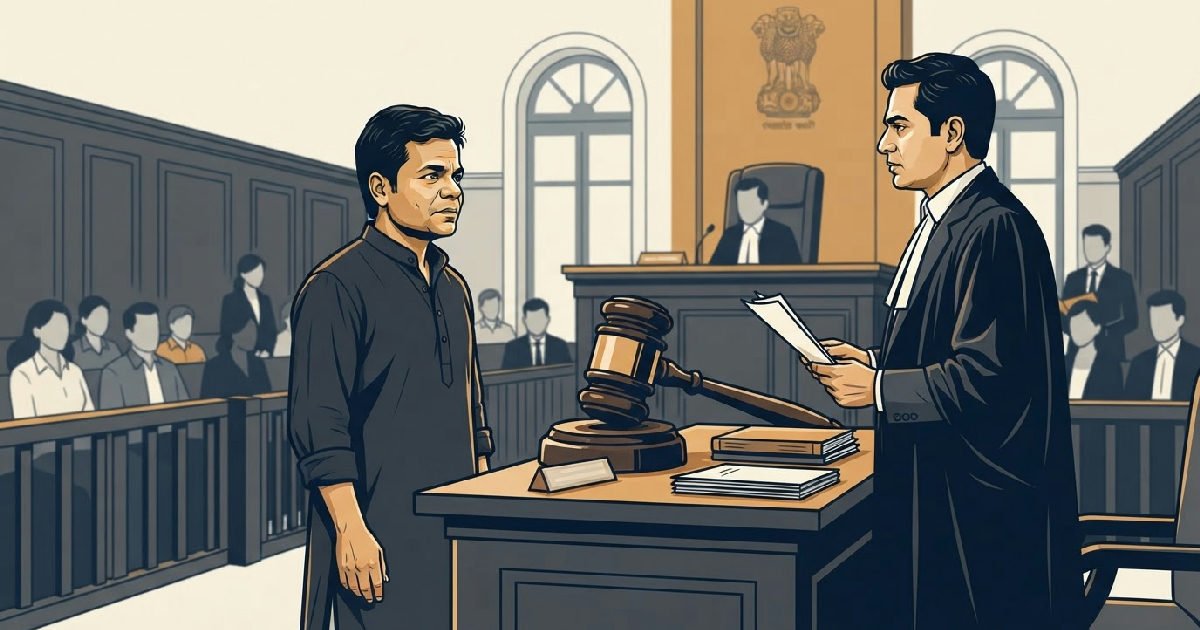
Compounding a Cheque Bounce Case After Conviction in Delhi
Compounding a cheque bounce case after conviction in Delhi is still possible if the amount is paid and the court records it. An appeal alone does not close…
Read More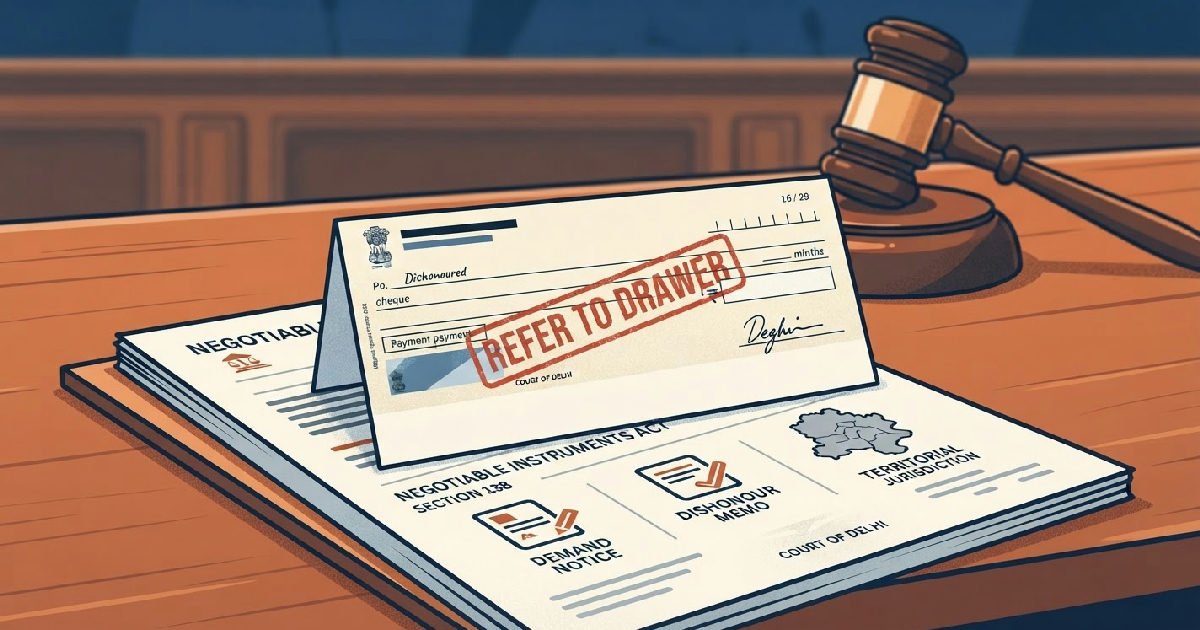
5 Things to Keep in Mind While Filing a Cheque Bounce Case in Delhi
5 things to keep in mind while filing a cheque bounce case in Delhi: memo date, 30-day notice, 15-day wait, parties and the magistrate court of presentation.
Read More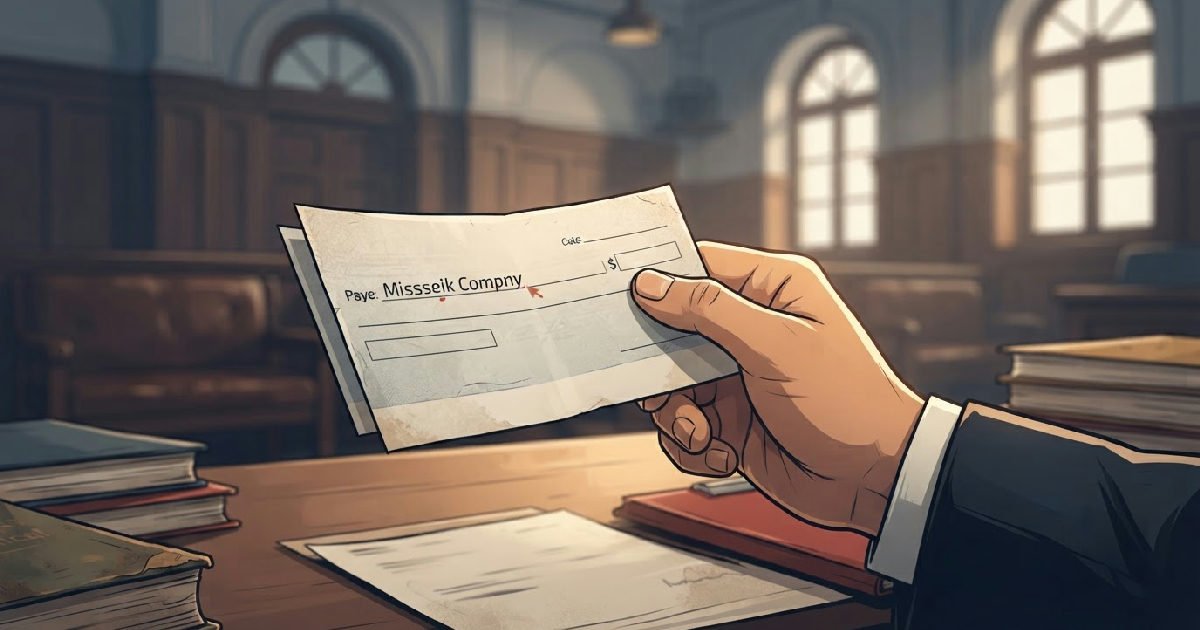
Payee Name on the Cheque Is Slightly Wrong – Can You Still File in Delhi?
Payee name on the cheque is slightly wrong? Cheque bounce lawyers in Delhi compare the cheque, memo and legal name before filing. Do not sue a sister concern…
Read More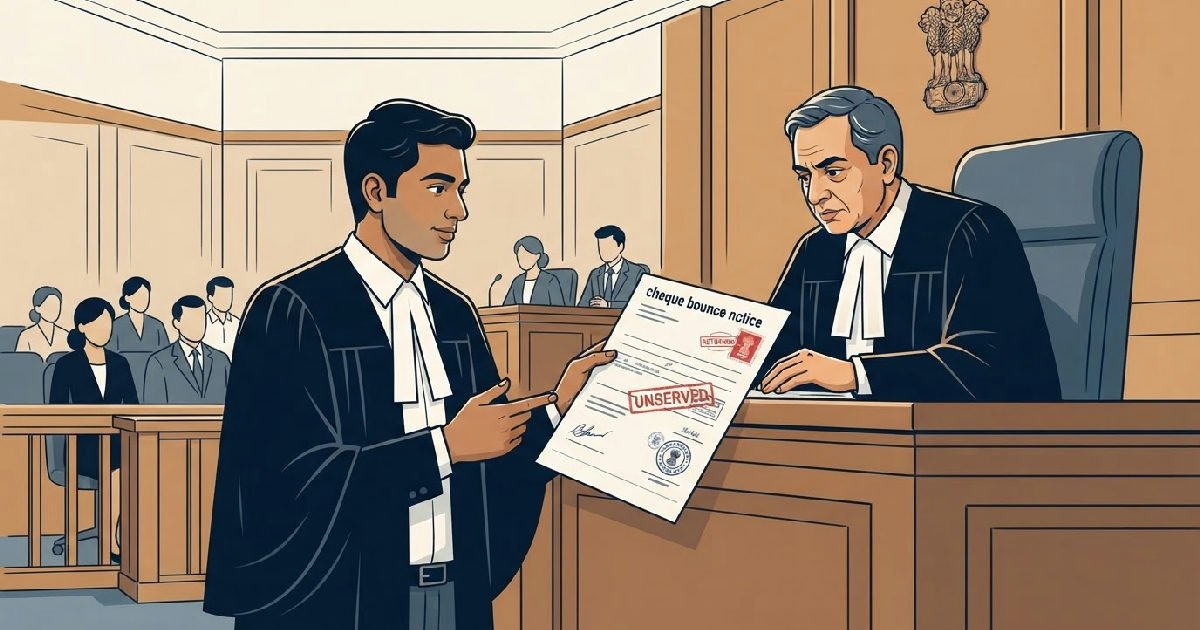
Cheque Bounce Notice Came Back Unserved – Is the Case Dead?
Cheque bounce notice came back unserved? Cheque bounce lawyers in Delhi do not treat one returned envelope as the end of Section 138. Address and proof of…
Read More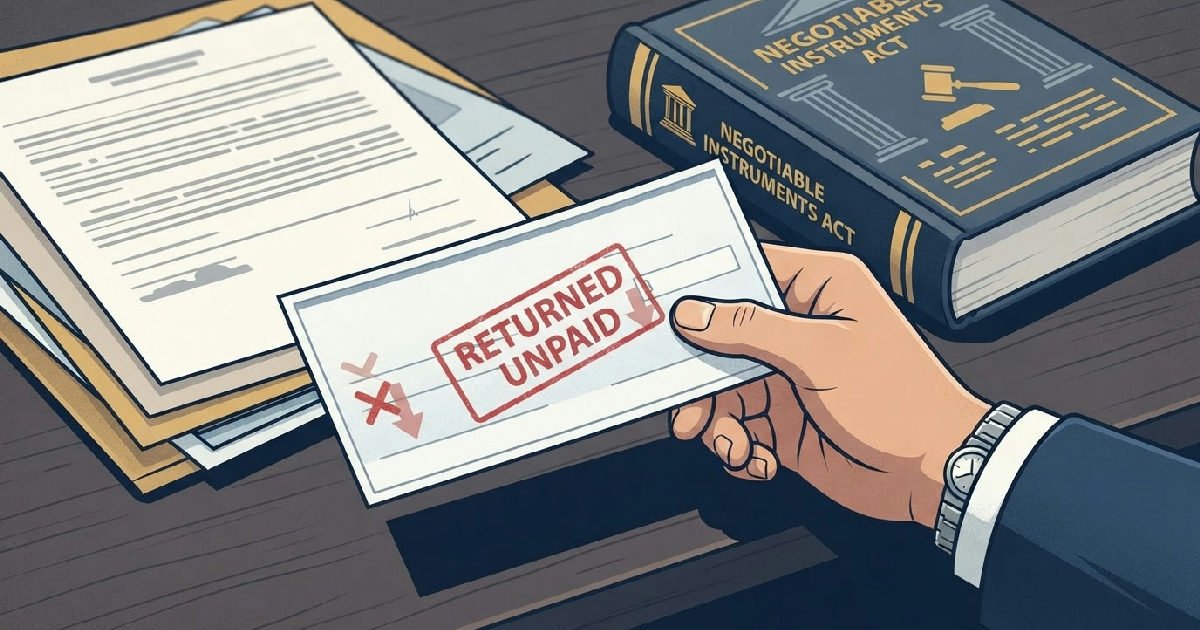
When You Should Not File a Cheque Bounce Case
When you should not file a cheque bounce case: a bounced cheque is not always a Section 138 matter. Filing the wrong case wastes time and can weaken recovery.
Read More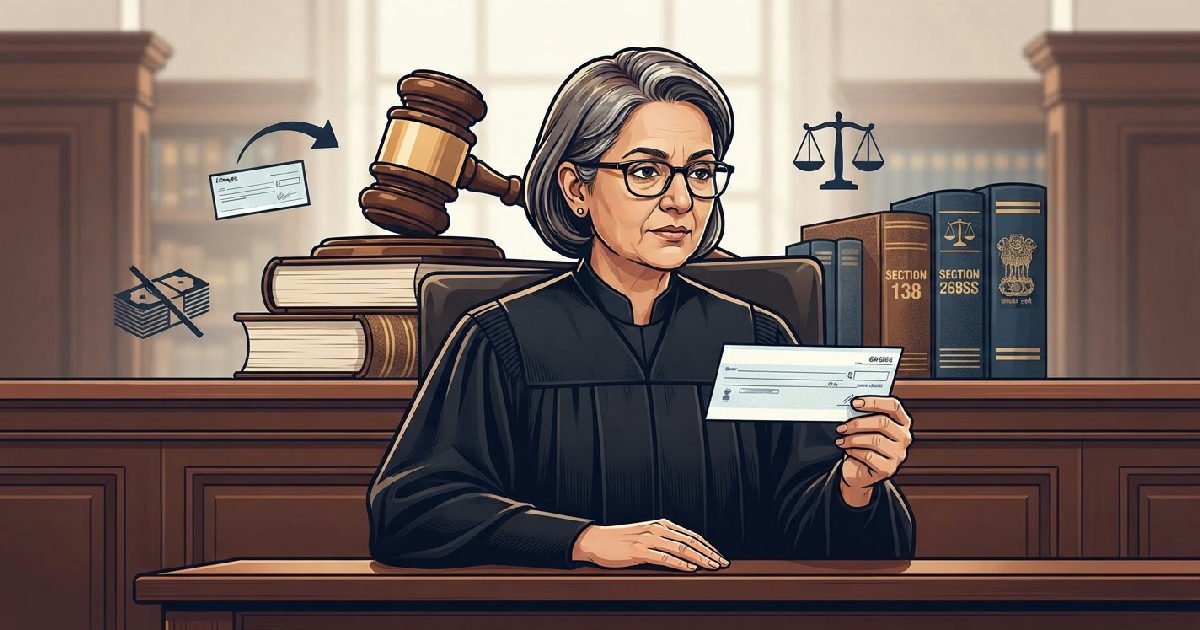
Cash Transaction Won’t Kill Cheque Bounce Case
India’s Supreme Court rules a cash transaction over ₹20,000, violating IT Act Section 269SS, does not invalidate a Section 138 cheque bounce case, providing…
Read More
Indian Supreme Court limits director liability for cheque dishonour under NI Act
The Supreme Court of India clarifies that directors not involved in daily operations are not liable for cheque dishonour, impacting corporate governance and…
Read More