
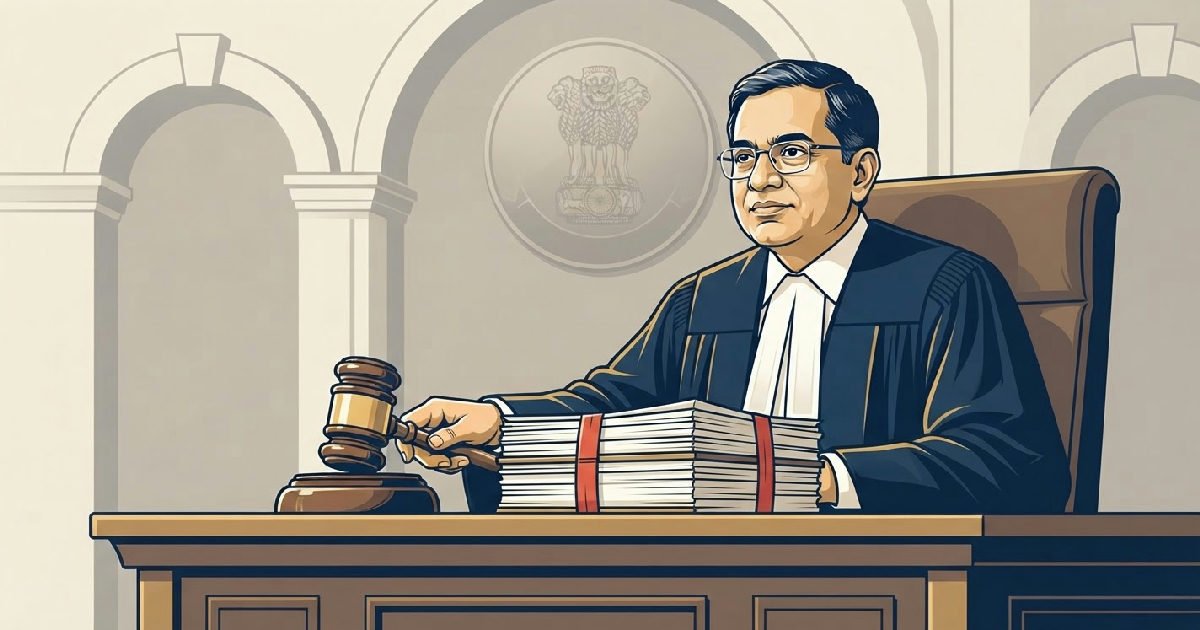
In a significant clarification for civil litigation, the Delhi High Court recently affirmed that courts cannot compel a party to file documents they haven’t chosen to rely upon. This ruling, delivered by Justice C. Hari Shankar on 2021-08-21 in the case of KRISHAN KAKKAR v. KIRAN CHANDER, emphasizes a litigant’s fundamental prerogative in selecting their own evidence, particularly concerning document filing.
The decision underscores that without specific provisions in the Code of Civil Procedure (CPC) dictating otherwise, a party’s choice of documents remains their sole responsibility. It marks a crucial boundary against unrestricted “fishing expeditions” during the discovery phase of a lawsuit.
Delhi High Court Upholds Litigant’s Choice in Document Filing
Justice C. Hari Shankar’s pronouncement came while addressing challenges to orders issued by an Additional District Judge in a civil suit. The core of the matter involved whether a court could direct a party to produce documents that party had not elected to present as part of their case.
The High Court held that the selection of documents to be brought on record is entirely up to the party filing them. This principle maintains the integrity of each side’s case presentation.
The KRISHAN KAKKAR v. KIRAN CHANDER verdict
The specific dispute before the court involved a petitioner, the defendant in the original suit, challenging two orders. The first, dated July 8, 2021, dismissed an application to reject the suit under Order VII Rule 11 of the CPC. Notably, this order also directed the respondent-plaintiff to file two particular documents.
A subsequent order on May 6, 2022, disposed of an an application by the petitioner seeking compliance with the earlier document directive. The Additional District Judge had deemed the respondent’s compliance sufficient and extended the petitioner’s time to file a written statement by four weeks from May 6, 2022.
Narrowing the scope of discovery
Justice C. Hari Shankar explicitly stated that no court can compel a party to file documents it did not choose to rely on. This is unless certain specific eventualities, as outlined in the Code of Civil Procedure, are present.
The court’s observation reinforces that while discovery mechanisms exist, they are not intended for broad, speculative inquiries. It serves to protect parties from undue burdens and ensures litigation focuses on relevant, presented evidence. A related ruling by Justice Shalinder Kaur on July 10, 2024, set aside an order allowing belated document filing after 14 months, highlighting adherence to procedural timelines.
Understanding Order XI Rule 14 and its judicial interpretation
The broader legal framework governing document production in civil suits is Order XI Rule 14 of the Code of Civil Procedure, 1908. This provision grants courts the power to direct parties to produce documents that are in their possession, custody, or power.
Such documents must relate to matters in question in the suit. However, this power is not absolute; courts interpret it carefully to balance evidentiary needs with litigant rights.
Discretionary power, not a mandate
The Delhi High Court, and indeed the Supreme Court, has consistently characterized the power under Order XI Rule 14 CPC as discretionary, not mandatory. The wording “it shall be lawful” implies a permissive authority, requiring judicious application by the court.
This means judges must weigh various factors before issuing such directives. They consider the relevance of the documents and the potential burden on the party.
Relevance and the “fishing expedition” caveat
A critical condition for compelling document production under Order XI Rule 14 is that the documents must “relate to any matter in question in such suit.” There needs to be a clear, demonstrable nexus between the requested document and the issues under dispute.
Courts have repeatedly cautioned against using this power for “fishing expeditions” or “roving inquiries” aimed at unearthing potentially relevant, but as yet unknown, information. The intent is to narrow issues, not to allow open-ended investigation into an opponent’s private affairs. The Supreme Court, in Sri Shrikanth NS v. K. Munivenkatappa, clarified that this power cannot be invoked once a plaint has already been rejected.
The role of Order VII Rule 11 CPC in civil proceedings
The Delhi High Court’s ruling also touched upon applications filed under Order VII Rule 11 of the CPC. This provision allows courts to reject a plaint at the very outset of a lawsuit if it fails to meet specific legal requirements.
Common grounds for rejection include not disclosing a cause of action, undervaluation, or being barred by law. This serves as a vital gatekeeping mechanism for the judicial system.
Strict adherence to plaint averments
When considering an application under Order VII Rule 11, the court’s examination must remain strictly confined to the averments made in the plaint itself and the documents submitted alongside it. The defense’s arguments or any external material are not considered at this preliminary stage.
This narrow scope prevents premature delving into the merits of a case. It ensures that only facially flawed pleadings are dismissed, preserving the right to a full trial for genuinely contested matters.
Impact on rejecting applications
In the KRISHAN KAKKAR v. KIRAN CHANDER case, the petitioner’s application to dismiss the suit under Order VII Rule 11 was rejected by the lower court, a decision upheld by Justice C. Hari Shankar. The petitioner had predicated their challenge on Section 53A of the Transfer of Property Act, 1882.
The High Court reiterated that such applications can only scrutinize the plaint itself. This means extraneous defenses, even those potentially strong, are deferred until the full trial. This focus on the plaint averments is a consistent stance by courts, designed to prevent procedural delays. Courts often take a lenient view for document production when genuine issues of fact require further exploration.
Balancing procedural fairness and litigant prerogative
The recent Delhi High Court ruling reflects a broader judicial effort to balance the need for comprehensive discovery with protecting parties from overreach. Courts aim to ensure fairness while respecting a litigant’s strategic decisions regarding their evidence.
This balance is crucial for maintaining efficient and equitable civil justice. It shapes how legal teams approach preparation and presentation of their cases.
Prior rulings from Justice C. Hari Shankar
Justice C. Hari Shankar has a history of rulings that shape the landscape of civil procedure, particularly concerning evidence and document filing. In Md. Islamuddin v. S S Kapoor (November 1, 2022), he rejected an application to place additional documents on record.
This emphasized that parties seeking to introduce documents late must demonstrate due diligence and explain why they couldn’t present them earlier. His consistent approach highlights the importance of timely and deliberate evidence management. Furthermore, the ability to produce cross-examination documents is an established aspect of trial procedure.
Evolving document management in Delhi courts
The Delhi High Court has been at the forefront of modernizing its judicial processes. In January 2024, the court initiated a Centralized Filing System across all District Courts, making e-filing mandatory for many cases.
These technological advancements aim to streamline document management, enhance transparency, and reduce physical paperwork. They complement judicial pronouncements by ensuring procedural efficiency. The push for digital records is transforming how civil cases proceed through the system.
Implications for civil litigation in India
The Delhi High Court’s clarification has significant implications for civil litigation across India. It reinforces the autonomy of parties in shaping their case while preventing unnecessary intrusions into their chosen evidence strategy.
This ruling guides legal practitioners on the permissible boundaries of discovery. It also clarifies a court’s authority when it comes to compelling the submission of documents.
Strategic considerations for legal teams
Legal teams must now more carefully assess the documents they intend to rely upon from the outset of a suit. The ruling encourages a precise and deliberate approach to evidence presentation, rather than relying on courts to compel production of an opponent’s un-relied-upon documents.
This requires thorough pre-litigation document review and strategic planning. It will impact how discovery requests are framed and challenged in court.
Future of document disclosure rules
The Delhi High Court’s interpretation adds another layer of nuance to document disclosure rules under the CPC. While Order XI Rule 14 allows for compelled production of relevant documents, Justice C. Hari Shankar’s ruling limits the ability to force disclosure of documents not relied upon by a party.
This distinction is crucial. It supports the principle that a party controls its own narrative, except where specific legal provisions mandate disclosure for fair adjudication. It helps refine the scope of judicial intervention in what litigants present as their evidence.
Judicial milestones in document production
Over the years, various courts have weighed in on the delicate balance of document production and discovery in civil cases. These rulings shape the current legal landscape, guiding practitioners and judges alike.
They provide valuable precedent on the interpretation and application of the Code of Civil Procedure’s provisions related to evidence and disclosure. The table below highlights some key decisions from the Delhi High Court and Supreme Court.
| Case Name & Citation | Court | Date of Ruling | Key Principle / Impact |
|---|---|---|---|
| KRISHAN KAKKAR v. KIRAN CHANDER (2022 LiveLaw (Del) 509) | Delhi High Court | 2021-08-21 | Courts cannot compel parties to file documents they didn’t rely on, except for specific CPC eventualities. |
| Sri Shrikanth NS v. K. Munivenkatappa | Supreme Court | June 14, 2025 | Order XI Rule 14 cannot be invoked once a plaint is rejected. |
| Md. Islamuddin v. S S Kapoor | Delhi High Court | November 1, 2022 | Rejected belated document submission; emphasized due diligence for new evidence. |
| Pradeep Bailey v. Gilma Daniel | Delhi High Court | June 18, 2025 | Ruling regarding Order VII Rule 14 CPC. |
| Maj Retd Sukesh Behl & Anr vs Koninklijke Philips Electronics N V | Delhi High Court | January 19, 2016 | Involved interpretation of discovery rules. |
These judgments collectively emphasize the need for careful consideration in document production matters. They uphold the spirit of procedural fairness while guarding against overbroad discovery demands.
The judiciary continues to refine the application of the CPC to ensure efficient and just outcomes in civil disputes. This ongoing process helps clarify the rights and obligations of all parties involved.
What was the main ruling in KRISHAN KAKKAR v. KIRAN CHANDER?
The Delhi High Court, through Justice C. Hari Shankar, ruled that courts generally cannot compel a party to file documents that the party itself did not choose to rely upon. This principle holds true unless specific provisions within the Code of Civil Procedure mandate such disclosure.
How does this ruling impact a litigant’s ability to present their case?
This ruling reinforces a litigant’s prerogative to strategically select and present the documents they believe support their case. It means parties are largely protected from being forced to produce documents they consider irrelevant or unhelpful to their own arguments, unless a legal exception applies.
Does Order XI Rule 14 CPC still allow courts to compel document production?
Yes, Order XI Rule 14 CPC still grants courts discretionary power to compel parties to produce relevant documents in their possession. However, the ruling clarifies this power is not for general “fishing expeditions” and does not extend to documents a party deliberately chooses not to rely on, unless specific CPC eventualities are present.