
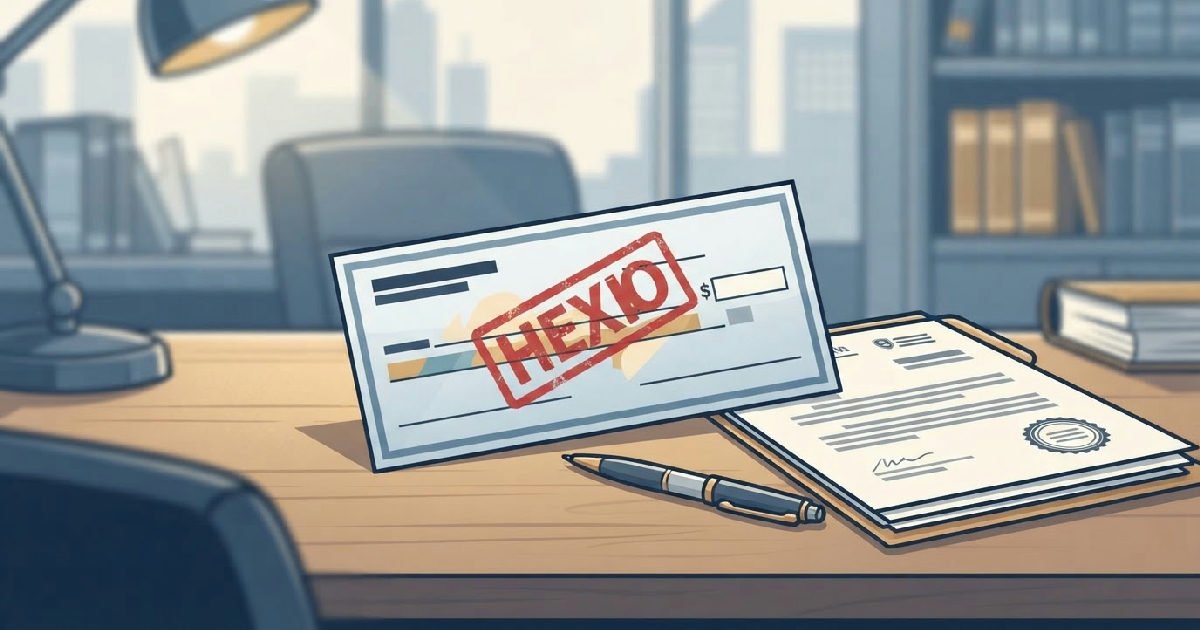
Bad cheque recovery involves steps from direct communication to legal recourse for check bounce case punishment. If someone writes you a bad check, your immediate course of action involves a series of steps, starting with direct communication and potentially escalating to legal recourse for bad check recovery.
Understanding the types of dishonored payments and the legal frameworks governing them is crucial for effective resolution. State laws vary significantly, influencing both the recovery process and the potential penalties for the check writer.
Understanding dishonored cheques and their causes
A “bad check,” often termed a “bounced check” or “worthless check,” is essentially any check a financial institution refuses to honor or cash. Banks reject these payments for several reasons, impacting both the issuer and the recipient with unexpected fees.
Identifying why a check bounced is the first step toward understanding your options. The cause can influence how you approach the situation and what legal avenues are available for effective bad check recovery.
Common reasons for dishonored payments
The most frequent reason a check becomes “bad” is insufficient funds, also known as NSF. This occurs when the check writer’s account lacks the necessary balance to cover the amount specified on the check.
An empty account isn’t the only culprit, though. A check might also be returned if the account it was drawn on has been closed. This situation often indicates a more serious issue than a simple oversight of funds.
Stop payment orders represent another common reason for a check’s return. Here, the account holder has instructed their bank not to process the payment, often due to a dispute, a lost check, or an error.
More severe cases involve forgery or counterfeiting, where the check itself is fake or has an unauthorized signature. Banks will naturally refuse to honor such instruments due to their fraudulent nature. Additionally, post-dated checks deposited early, or “stale checks” (typically over six months old), can also be dishonored.
Immediate actions for bad cheque recovery
Prompt action is paramount once you discover a check has been returned unpaid. Delaying your response can complicate the recovery process and potentially limit your legal options.
It’s essential to approach the situation systematically. This begins with direct communication and careful record-keeping to build a clear case if further action becomes necessary.
First contact and re-deposit strategy
When you learn that someone writes you a bad check, your first move should be to contact the check writer directly. Don’t immediately assume malice; it could be an honest mistake, such as an incorrect balance calculation.
Inform them politely about the bounced check and request an alternative payment method. Sometimes, a simple phone call can resolve the issue quickly and without further complications.
Consider re-depositing the check after this initial contact. Funds might have become available in the interim, allowing the check to clear on the second attempt. Many financial institutions recommend this step as a straightforward solution.
Essential documentation and bank fees
Thorough documentation is critical throughout this process. Keep meticulous records of everything, including copies of the dishonored check, bank statements showing the return, and any correspondence with the check writer.
Both you and the check writer can incur fees from your respective banks for a returned check. These “returned check fees,” “bounced check fees,” or “NSF fees” are typically charged by banks.
These fees generally range from $10 to $50, with averages around $17 to $34. Understanding these potential costs is important for calculating the full amount owed to you in your bad check recovery efforts.
| Fee Type | Typical Range | Average Cost |
|---|---|---|
| Returned Check Fee (Overall) | $10 – $50 | $17 – $34 |
| Bounced Check Fee (Overall) | $10 – $50 | $17 – $34 |
| NSF Fee (Overall) | $10 – $50 | $17 – $34 |
Pursuing legal avenues for bad check claims
If direct communication and re-depositing the check prove unsuccessful, you’ll need to explore legal options. These recovery avenues typically fall into civil and, in some cases, criminal categories.
The specific procedures vary by state law, so understanding the requirements in your jurisdiction is essential before proceeding with any formal actions.
Civil remedies and formal demand letters
Civil action primarily aims to recover the money owed, alongside any associated bank fees and damages. The first formal step in most states is sending a demand letter to the check writer.
This letter should clearly state that the check was dishonored and specify the full amount due, including the face value of the check and any incurred bank fees. It must also inform the check writer of the legal consequences if payment isn’t made.
Send this demand letter by certified mail with a return receipt requested, and always keep a copy for your records. Crucially, it must provide a specific timeframe, typically 10 to 30 days, for the check writer to make good on the payment.
Small claims court actions
If the check writer still fails to pay within the specified period, pursuing action in small claims court often becomes the next step. Small claims courts offer a streamlined process for resolving disputes involving smaller monetary amounts.
This avenue can help victims obtain a legal judgment for the funds owed. Understanding the steps for clearing a bounced cheque case through such courts is vital.
State law variations and criminal considerations
It’s vital to remember that laws regarding bad checks are primarily governed by individual states. This means the specific requirements for demand letters and the criteria for criminal charges can differ significantly.
Legal avenues for bad checks can include criminal categories, with specific procedures varying by state. If you are pursuing a claim, you might want to understand more about fighting a bounced cheque effectively.
Navigating complexities and seeking legal advice
When the amounts involved are substantial, or if you suspect criminal intent, consulting with a legal professional is highly advisable. They can offer guidance tailored to your specific situation and state laws.
A legal professional can help you understand the full scope of your options and navigate the often-complex legal landscape. They can provide essential support throughout the process of bad check recovery, acting as your bounced cheque lawyer.
What is the average fee for a bounced check?
Bank fees for a returned check, also known as a bounced check or NSF fee, typically range from $10 to $50. The average costs usually fall between $17 and $34, depending on the bank.
How long can I pursue legal action?
The specific procedures and timeframes for pursuing legal action for a bad check vary significantly by state. It’s crucial to consult local laws or a legal professional for guidance on applicable deadlines.
Can criminal charges be pressed for a bad check?
Yes, legal avenues can include criminal categories when dealing with a bad check. However, the specific procedures and criteria for criminal prosecution will vary depending on state laws.
Call or Whatsapp for free consultation.
Related Service: https://arpitmarwah.com/cheque-bounce-lawyers-in-delhi/