
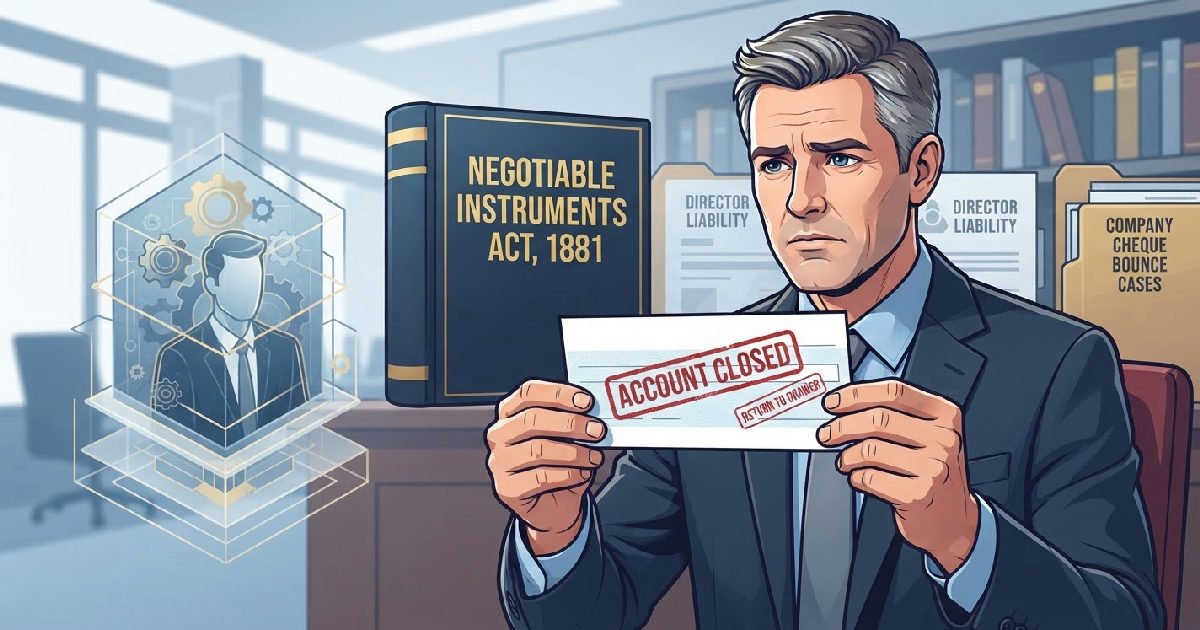
Who Is “In Charge of the Business” in a Company Cheque Bounce Case
In charge of the business in a company cheque bounce case is how directors are added under Section 141. A designation on the letterhead is not always enough.
Read More
Counter-Claim in a Commercial Suit in Delhi – Do Not Only Defend
Counter-claim in a commercial suit in Delhi is how the defendant recovers its own unpaid invoices in the same file. A written statement alone leaves that…
Read More
Inspection of Documents in a Commercial Suit in Delhi – Ask Before Trial
Inspection of documents in a commercial suit in Delhi is how you see the other side’s invoices and mails before evidence. Waiting till cross-examination is…
Read More
Changing the Childs School During a Pending Divorce in Delhi
Changing the childs school during a pending divorce in Delhi can become a custody fight if you move the child without notice or a court direction.
Read More
Compounding a Cheque Bounce Case After Conviction in Delhi
Compounding a cheque bounce case after conviction in Delhi is still possible if the amount is paid and the court records it. An appeal alone does not close…
Read More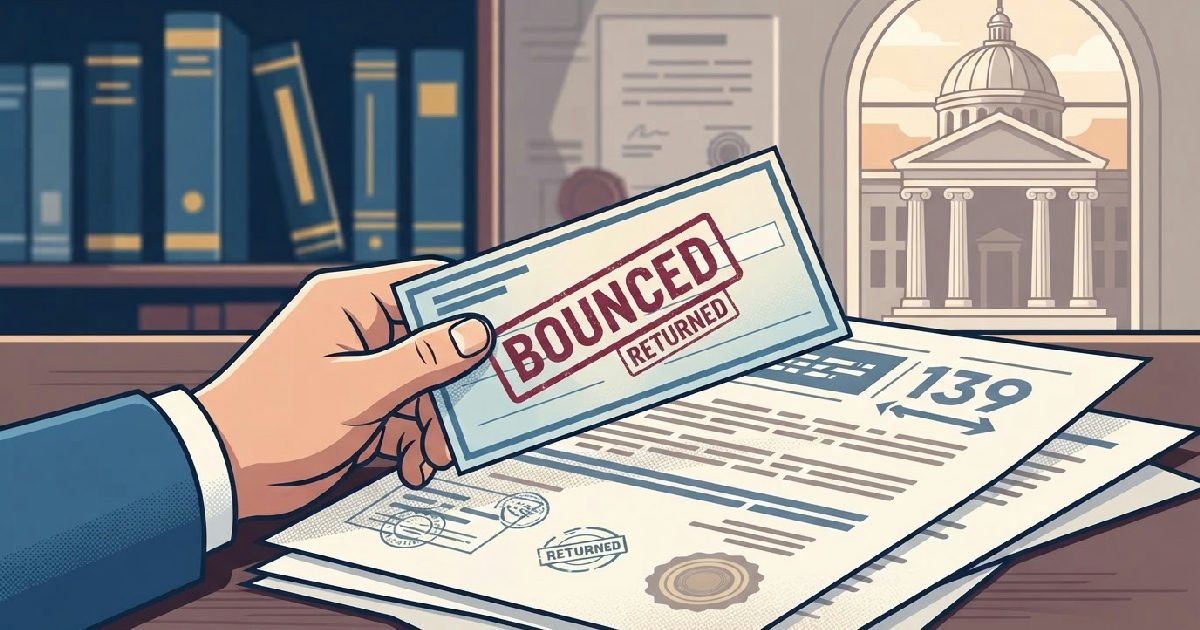
Section 139 Presumption in a Cheque Bounce Case – What the Accused Must Rebut
Section 139 presumption in a cheque bounce case means the court starts from a live debt. The accused must rebut with facts — not only the word “security”.
Read More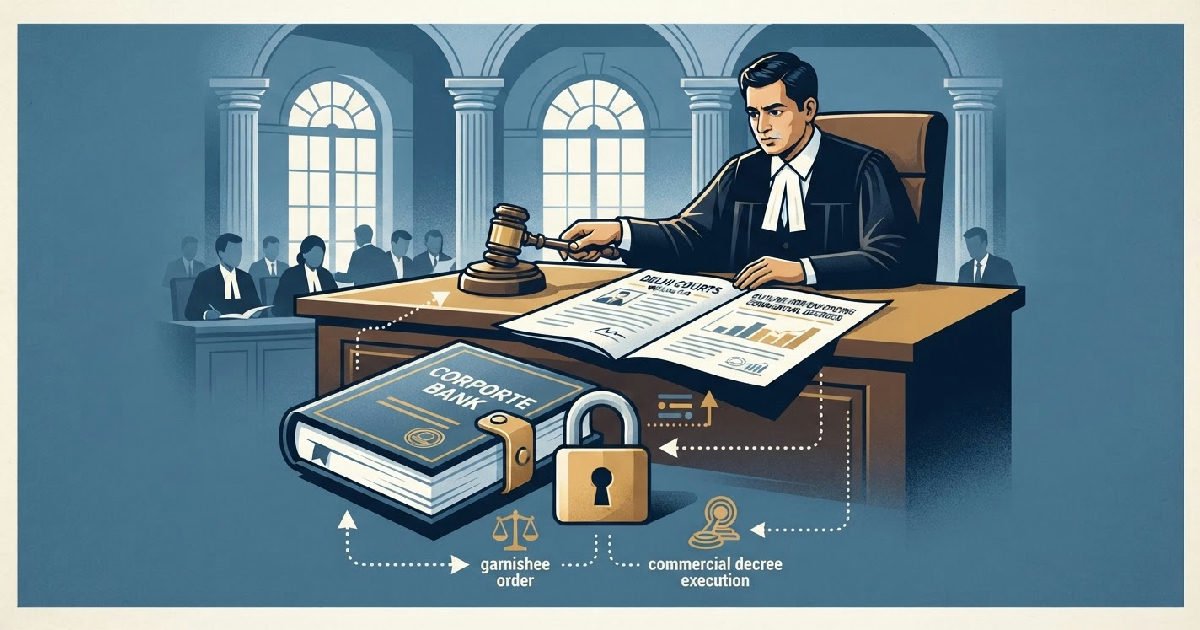
Attaching the Other Company’s Bank Account After a Commercial Decree in Delhi
Attaching the other company’s bank account after a commercial decree in Delhi is execution, not a new suit. A decree that is not executed is only paper.
Read More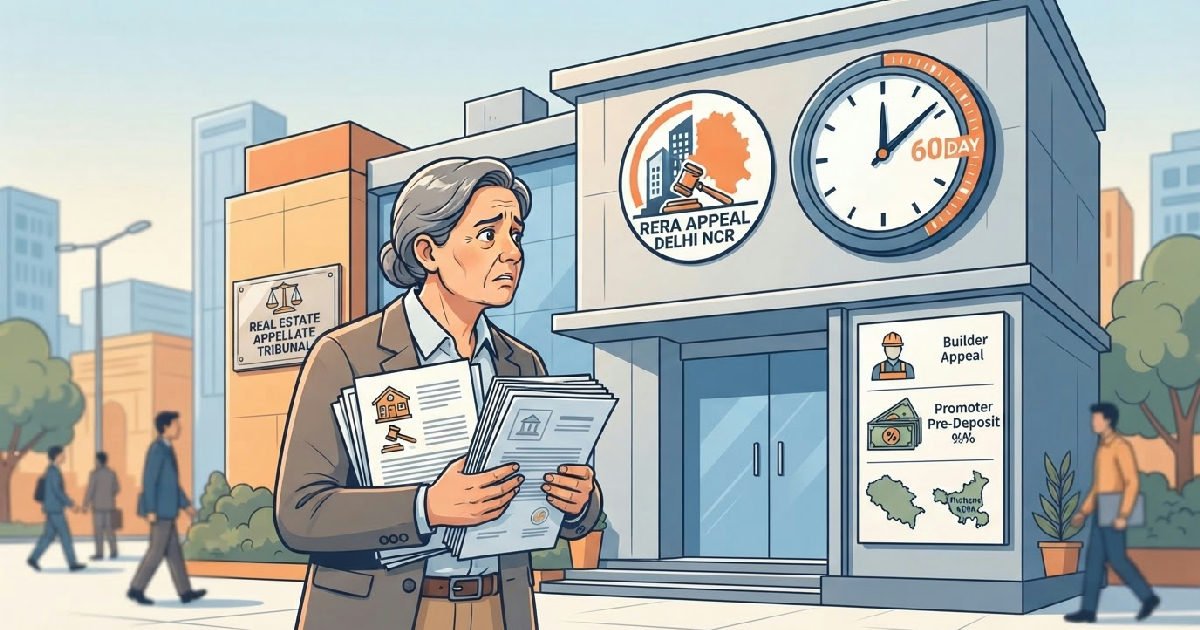
RERA Appeal in Delhi NCR – When the First Order Is Not the Last Word
RERA appeal in Delhi NCR is time-bound. If the builder or the buyer challenges the first order, waiting on emails can close the window to the Appellate…
Read More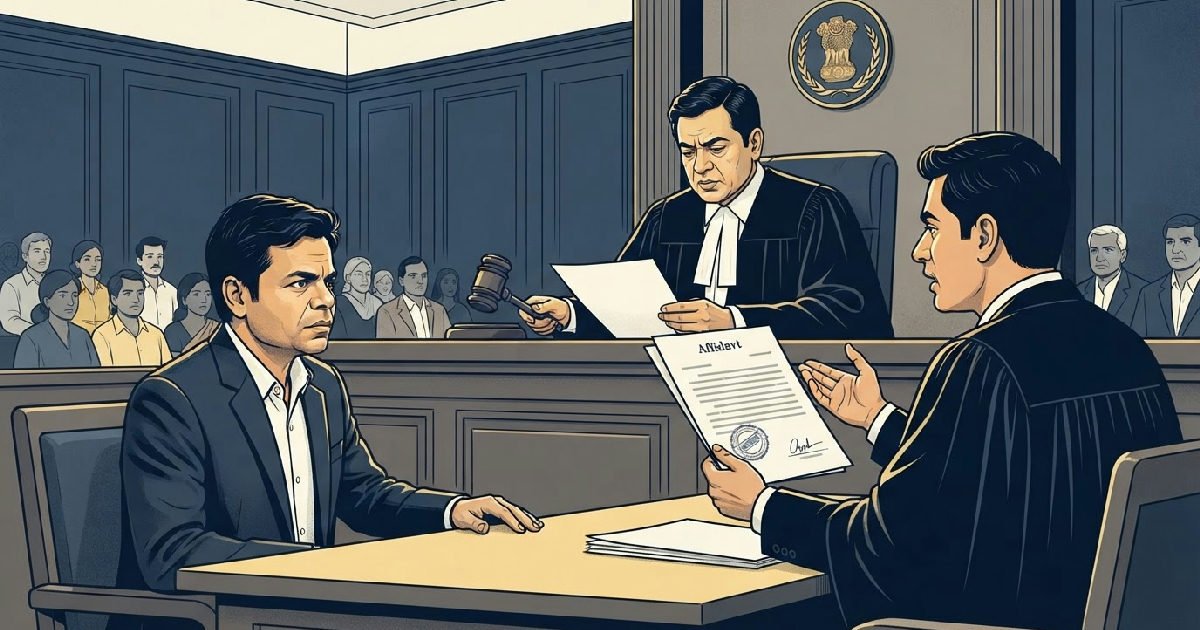
Evidence by Affidavit in a Cheque Bounce Case in Delhi
Evidence by affidavit in a cheque bounce case in Delhi speeds the complainant’s examination. A weak affidavit still fails in cross-examination.
Read More
Costs in a Commercial Suit in Delhi – When the Losing Company Pays More Than the Invoice
Costs in a commercial suit in Delhi can follow a false defence or a late document dump. Commercial courts are not bound to make each side bear its own expense.
Read More