
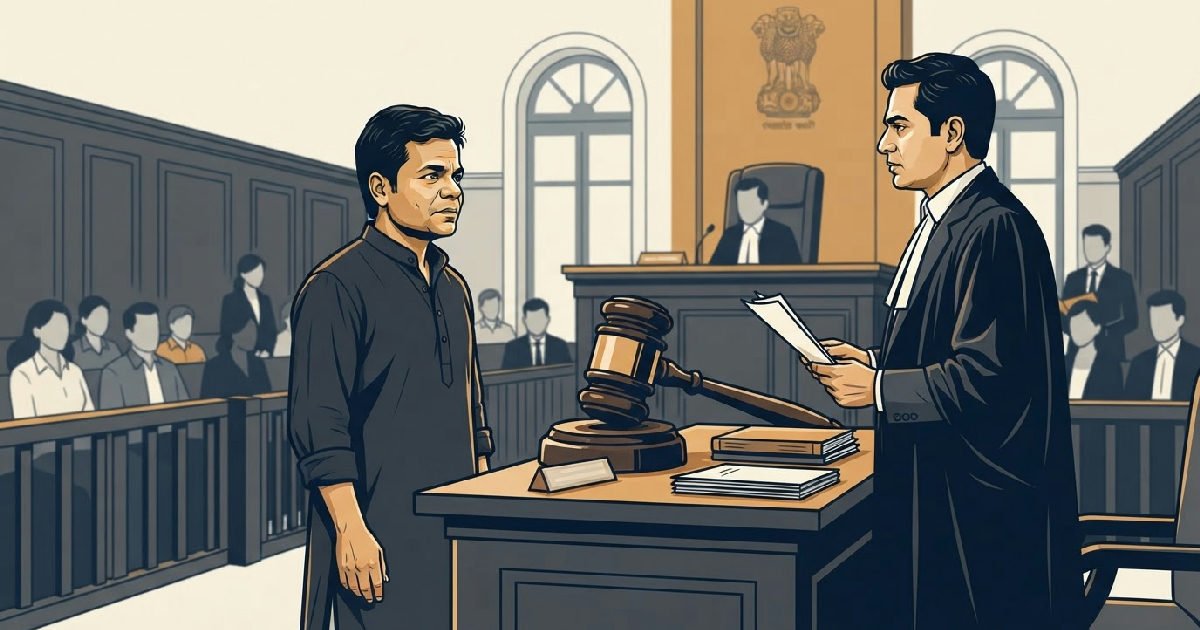
A cheque bounce case, an offense under Section 138 of the Negotiable Instruments Act, 1881, can be compounded even after conviction, the Indian judiciary has affirmed.
This crucial legal provision, which came into sharper focus around 2010-05-05, facilitates amicable settlements between the accused and the complainant in Delhi, offering a pathway to resolve disputes post-judgment.
Permissibility of Compounding a Cheque Bounce Case After Conviction in Delhi
This means that a conviction in a cheque bounce case isn’t necessarily the final chapter. If both parties agree to a settlement, and the cheque amount along with any additional agreed compensation can be paid, the compounding process remains a viable option.
It allows for the formal closure of the case, even at the appellate stage, thereby reducing judicial burden and providing relief to those involved.
The legal framework in India, particularly for cases under the Negotiable Instruments Act, has always encouraged the resolution of disputes through compromise. Compounding an offense essentially means that the complainant agrees to drop the charges against the accused, often in exchange for payment of the outstanding amount and potentially other agreed-upon terms.
For a long time, there was some ambiguity regarding whether this compounding could occur after a court had already delivered a conviction. However, various legal pronouncements and judicial practice have firmly established that such post-conviction compounding is indeed permissible, including across Delhi’s legal landscape. This ensures that the spirit of amicable resolution isn’t extinguished simply because a judgment has been rendered.
The flexibility in allowing compounding post-conviction underscores a pragmatic approach to justice. It acknowledges that circumstances can change, and parties may reach an understanding even after a protracted legal battle. This mechanism serves as a crucial safety valve, preventing unnecessary incarceration and enabling financial reconciliation.
| Outcome Type | Description | Impact on Accused |
|---|---|---|
| Conviction (No Compounding) | Full legal proceedings leading to a guilty verdict. | Criminal record, potential imprisonment/fines. |
| Compounding (Pre-Conviction) | Settlement reached before a guilty verdict. | Case closed, no criminal record. |
| Compounding (Post-Conviction) | Settlement reached after a guilty verdict, but before appeals exhausted. | Conviction set aside, no criminal record (post-compounding). |
| Acquittal | Defendant found not guilty after trial. | No criminal record, case dismissed. |
Understanding the legal basis for amicable resolutions
The ability to permit compounding stems from various legal interpretations related to the NI Act. Courts have historically viewed Section 138 offenses as quasi-civil in nature, often prioritizing resolution over solely punitive measures.
This judicial inclination prioritizes the recovery of money for the complainant and allows the accused to rectify their default, thereby serving the primary objective of the NI Act. This pragmatic stance ensures that the legal system supports financial rectitude without being overly rigid. Interim compensation also plays a role in these discussions.
These principles have significantly shaped the procedure in Delhi, providing guidelines for how such settlements can be reached and formalized in court. They emphasize the need for mutual consent and proper judicial oversight to ensure fairness and prevent any coercion. Courts often play an active role in facilitating these discussions, ensuring that both parties fully understand the implications of compounding.
Formalising Amicable Settlements
Once the accused and the complainant reach an agreement to settle the offense, a formal process is involved to solidify the resolution. This is not merely a verbal understanding; it requires a structured approach to ensure the legal closure of the case and the cessation of all related proceedings.
Typically, both parties, often with legal representation, present their settlement terms to the court overseeing the case, or to the appellate court if an appeal is underway. This presentation details the agreement, including the payment amount, the method of payment, and any other agreed-upon conditions. The court then reviews the proposed settlement to confirm it represents a voluntary and genuine agreement between the parties.
Upon satisfactory review, the court usually acknowledges the compounding of the offense. This formal recognition is crucial as it signifies the official resolution of the case. Without proper judicial acknowledgement, the prior legal status of the conviction might remain ambiguous, leaving the matter technically unresolved.
Securing formal documentation of settlement
For the accused, obtaining a clear and comprehensive receipt from the complainant for the settled amount is paramount. This receipt should explicitly state that the payment is in full and final settlement of the cheque bounce case, referencing the case number and relevant details. It serves as irrefutable proof that the financial obligation has been met.
Equally important is ensuring that the settlement is formally recorded by the court. This documentation is the ultimate legal proof of closure. Any failure to secure this formal record means the legal process is incomplete, potentially leaving the accused vulnerable to future proceedings or the continuation of previous judgments.
Legal experts in Delhi consistently advise clients never to assume a case is closed without this formal documentation. A proper cheque bounce lawyer will ensure all these steps are meticulously followed, safeguarding the interests of their client and preventing any future complications. In some instances, particularly with an appeal against conviction pending, specific procedures for deposit may apply.
Avoiding Common Pitfalls in Post-Conviction Settlements
While compounding offers a beneficial route to resolution, it is essential to approach the process with due diligence. Parties must ensure all terms are clear and documented, and that legal counsel guides the process to prevent future disputes. Misunderstandings about payment terms or the finality of the settlement can lead to further legal complications down the line.
Key considerations for successful compounding
One critical aspect is verifying the legitimacy and completeness of the financial transaction. All payments should be made through traceable methods, and the receipt should be detailed and unequivocal. This prevents any later claims of non-payment or partial payment.
Furthermore, ensure that both parties are in full agreement on the scope of the settlement. It should clearly state that all claims related to the specific cheque bounce incident are resolved, and no further legal action will be pursued. This clarity protects both the complainant and the accused from protracted litigation.
What is a cheque bounce case?
A cheque bounce case, legally referred to as an offense under Section 138 of the Negotiable Instruments Act, 1881, occurs when a cheque issued by an individual or entity is returned unpaid by the bank due to insufficient funds, mismatched signatures, or other reasons. It is considered a criminal offense in India, intended to ensure the credibility of commercial transactions.
Can a cheque bounce case be compounded after conviction in Delhi?
Yes, the Indian judiciary has affirmed that a cheque bounce case can be compounded even after the accused has been convicted. This allows for an amicable settlement between the parties, leading to the formal closure of the case, even at the appellate stage.
What are the benefits of compounding a cheque bounce case?
Compounding offers several benefits for both parties. For the complainant, it ensures the recovery of the outstanding amount without further litigation delays. For the accused, it avoids the consequences of a conviction, such as a criminal record and potential imprisonment, by allowing them to rectify their default. It also reduces the burden on the judicial system by facilitating out-of-court settlements.
Convicted and now ready to pay? Call or Whatsapp for free consultation.
Related: https://arpitmarwah.com/cheque-bounce-lawyers-in-delhi/