
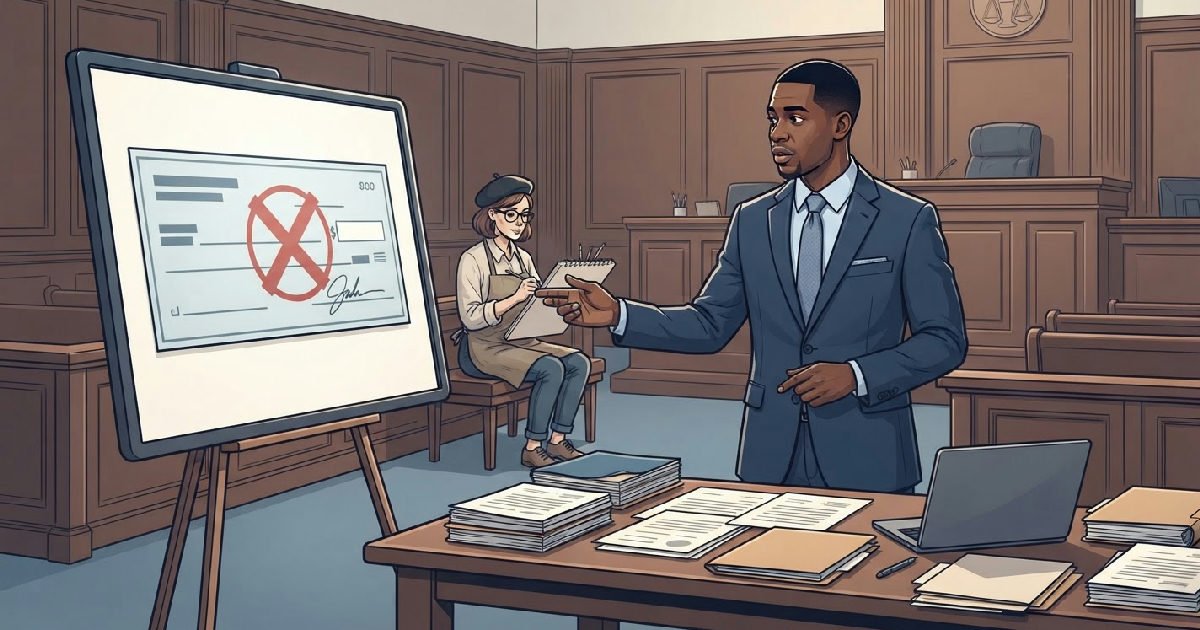
A Criminal Defense Attorney for Bounced Cheque can help you navigate potential cheque bounce case punishment, which can range from misdemeanors to felonies. If you’re facing such accusations, securing a skilled Criminal Defense Attorney for Bounced Cheque becomes essential. They specialize in navigating the complex legal landscape surrounding these offenses, which can range from misdemeanors to felonies depending on the amount and circumstances.
Many people mistakenly believe that all bounced cheque are merely civil matters, easily resolved with a bank fee. However, the critical distinction lies in the intent behind issuing the cheque, which dictates whether the matter remains civil or becomes a criminal prosecution.
Understanding Criminal Bad Cheque Charges
A bounced cheque, also known as a bad or worthless cheque, occurs when a bank refuses to honor a cheque due to insufficient funds or a closed account. While accidental overdrafts are common, knowingly issuing a cheque without the necessary funds, and with the purpose of deceiving someone for goods or services, constitutes the crime of “intent to defraud.”
Prosecutors must prove this intent beyond a reasonable doubt to secure a criminal conviction. Without clear intent to defraud, the matter often remains a civil dispute. This legal nuance is precisely why professional legal counsel is so crucial when facing such allegations.
Distinguishing Civil vs. Criminal Offenses
The core difference between a civil and a criminal bounced check case hinges on the writer’s state of mind at the time of issuance. If someone genuinely believed there were sufficient funds, or if they informed the recipient about potential insufficiency, criminal intent may not be present.
However, if a check is written on a closed account, or if funds are deliberately withdrawn to ensure the cheque bounces, this can be strong evidence of fraudulent intent. States often have specific statutory presumptions about intent if payment is not made after a formal demand.
Key Elements of a Criminal Bad Cheque Case
To convict someone of a criminal bad cheque offense, the prosecution must typically establish several elements. These include the defendant willfully using a cheque for payment and that insufficient funds were available at the time of issuance.
Crucially, prosecutors must also demonstrate that the defendant knew about the insufficient funds and acted with intent to defraud the payee. Some states simplify this by presuming intent if funds aren’t available when the check is presented.
Severity of Charges: Misdemeanor or Felony?
The classification of a bounced cheque offense as a misdemeanor or a felony largely depends on the cheque’s value and the defendant’s past criminal history. Lower amounts typically result in misdemeanor charges, carrying penalties like jail time up to a year and fines.
Higher check amounts, or a pattern of repeat offenses, often elevate the charge to a felony. Felony convictions bring much more severe consequences, including longer prison sentences, substantial fines, and a permanent criminal record. It’s a significant leap in legal gravity.
For instance, Florida treats a worthless check under $150 as a first-degree misdemeanor. In contrast, Kentucky considers a bad check exceeding $500 a felony. California even has “wobbler” offenses where a bad check can be charged as either, depending on the circumstances.
| State | Check Amount Threshold | Typical Offense Classification | Potential Penalties |
|---|---|---|---|
| Florida | Under $150 | First-degree Misdemeanor | Up to 1 year jail, fines |
| New York | Any Amount | Class B Misdemeanor | Jail, fines |
| Kentucky | Under $500 | Class A Misdemeanor | Jail, fines |
| Kentucky | Over $500 | Felony | Prison, substantial fines |
| California | Variable | Wobbler (Misdemeanor/Felony) | Depends on amount & circumstances |
Potential Penalties for Bounced Check Convictions
The consequences of a criminal bad check conviction extend beyond mere financial restitution. Penalties can include significant fines, often ranging from hundreds to thousands of dollars, along with court costs and attorney’s fees.
Defendants may also face jail or prison time, depending on the severity of the charge. Restitution to the victim, covering the check amount and any associated fees, is almost always a requirement. Clearing a bounced cheque case often involves negotiating these various financial and punitive aspects.
Beyond the criminal justice system, civil lawsuits can also be filed. These sometimes allow the plaintiff to recover multiple times the original check amount, further compounding the financial burden. The interplay between criminal and civil ramifications can be complex.
Finding the Right Criminal Defense Attorney for Bounced Checks
When facing charges related to a bounced check, securing an experienced criminal defense attorney is highly advisable. They can provide crucial legal guidance, explore potential defenses, and negotiate with prosecutors on your behalf. An attorney can also help demonstrate a lack of intent to defraud.
It’s not uncommon for individuals to be unaware of the serious legal implications. A skilled attorney understands the nuances of state laws and can work to mitigate the situation. They protect your rights throughout the entire legal process.
Essential Qualities to Prioritize
When searching for legal representation, look for attorneys with specific experience in “bad checks,” “check fraud,” or “worthless check” defense. Knowledge of local jurisdiction is paramount, as laws vary significantly by state and even county. An attorney familiar with specific statutes, like Florida’s worthless check statutes or California Penal Code Section 476A PC, offers a distinct advantage.
Good communication and a client-focused approach are also vital. The right attorney should thoroughly investigate your case, explain all options clearly, and prioritize your best interests. Many firms offer free initial consultations, allowing you to discuss your situation and assess their suitability before committing.
Where to Seek Professional Legal Help
Starting your search with state bar associations can be effective, as they often provide lawyer referral services. Online directories and review websites like Google, Avvo.com, and Facebook also list local attorneys and client feedback.
Membership in professional organizations such as the National Association of Criminal Defense Lawyers (NACDL) can indicate an attorney’s commitment to criminal defense practice. When choosing a bounced cheque lawyer, ensure they can effectively navigate both the legal and financial consequences.
Remember, the goal is not just to avoid conviction but also to minimize penalties and prevent future legal complications. Early engagement with a qualified legal professional can significantly impact the outcome of your case. For strategies to fight bounced cheque charges, expert advice is indispensable.
What makes a bounced check a criminal offense?
A bounced check becomes a criminal offense when there is clear “intent to defraud.” This means the person writing the check knowingly issued it without sufficient funds, or from a closed account, with the deliberate purpose of deceiving someone to obtain money, goods, or services.
Can I go to jail for writing a bad check?
Yes, depending on the check amount and state laws, you can face jail or even prison time. Misdemeanor charges typically involve jail sentences up to a year, while felony charges for higher amounts can lead to much longer prison terms and a permanent criminal record.
Is paying back the money enough to avoid charges?
While making restitution can help mitigate the situation and may be part of a a plea agreement, it does not automatically resolve all legal issues. Criminal charges can still be filed and pursued, especially if there was clear intent to defraud. It’s always best to consult with an attorney.