
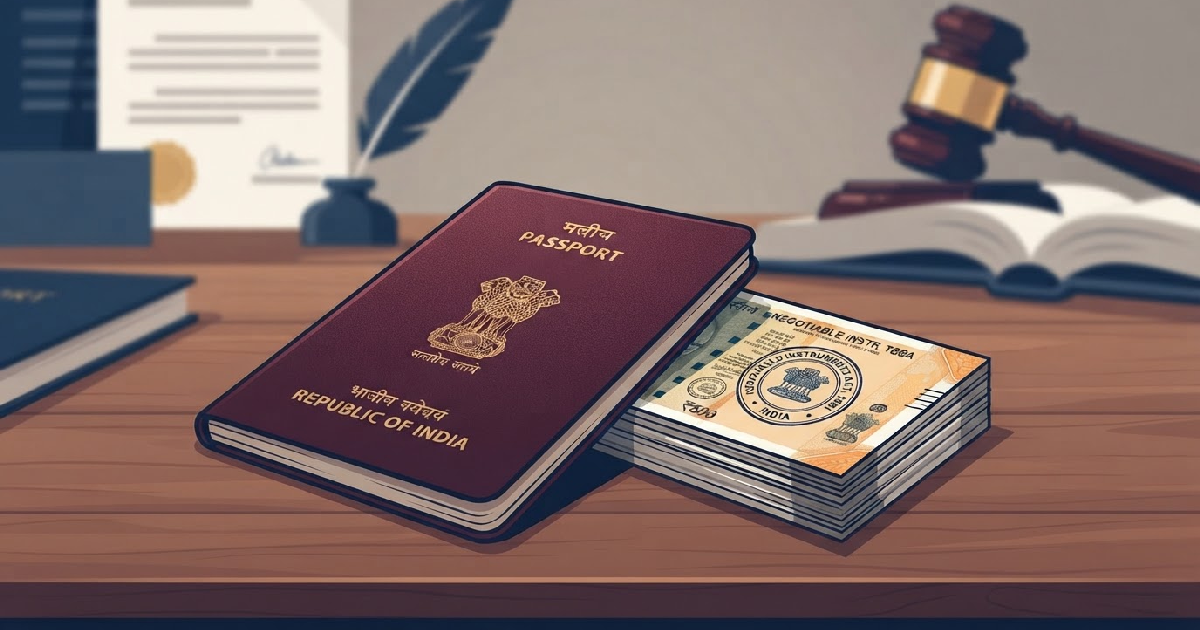
India’s Negotiable Instruments Act, 1881, serves as a cornerstone of the nation’s financial law, governing critical instruments like promissory notes, bills of exchange, and cheques. This foundational legislation remains in full effect today, underpinning countless commercial transactions nationwide. Its latest significant update arrived with the Negotiable Instruments (Amendment) Act, 2018.
These crucial amendments, officially notified on August 2, 2018, primarily aimed to reduce delays in cheque dishonour cases and boost the overall credibility of transactions. They introduced new provisions to facilitate interim compensation for complainants and mandate deposits during appeals, making the legal process more efficient.
Understanding the Negotiable Instruments Act, 1881
The Negotiable Instruments Act, 1881, created a standardized legal framework for credit instruments already used in commercial practice. It was a vital step towards formalizing the recognition and enforcement of these transferable financial documents. The Act defined three core types of instruments, each with specific legal characteristics.
These instruments — promissory notes, bills of exchange, and cheques — are known for their unique properties concerning transferability, payment obligations, and the parties involved. Their legal recognition has facilitated smooth commercial exchanges for well over a century. The Act ensures that promises to pay are legally binding.
Defining core instruments under the Act
At its heart, a negotiable instrument is a written document that can be freely transferred. It grants the recipient a clear title to the money. Section 13 of the Act defines it to include promissory notes, bills of exchange, or cheques. This transferability, often by simple delivery or endorsement, makes them highly liquid.
A promissory note, detailed in Section 4, is an unconditional undertaking by the maker to pay a specific sum to a named person or the bearer. This instrument is a fundamental tool for formalizing simple debts between parties. Section 5 outlines a bill of exchange as an unconditional order, signed by the maker, directing a certain person to pay a specific sum.
Cheques, defined in Section 6, are a specific type of bill of exchange. They are drawn on a specified banker and are payable only on demand. This definition now includes electronic images of truncated cheques and cheques in electronic form. Modern payment methods are clearly accounted for in this updated understanding.
Key parties and principles of negotiation
The Act clearly delineates the roles of parties such as the drawer, who makes or signs the instrument, and the payee, to whom the money is payable. These defined roles establish clear responsibilities. Understanding these distinctions is crucial for anyone engaging in transactions involving such instruments.
A pivotal concept is the “Holder in Due Course.” This refers to someone who obtains a negotiable instrument for value, in good faith, and before its maturity. They must also have no notice of any defect in the previous owner’s title. This status confers superior rights, protecting them from certain claims valid against prior holders.
Addressing cheque dishonour: Legal processes and reforms
Issuing a cheque that is dishonoured by the bank is a criminal offense under the Negotiable Instruments Act. This occurs if due to insufficient funds or if the amount exceeds the agreed arrangement. Section 138 aims to ensure accountability for payment obligations. It acts as a critical deterrent against financial irresponsibility.
The legal process for addressing cheque dishonour is clearly outlined. It begins when a payee presents the cheque to the bank within its validity period. This period is usually three months from the issue date. If the cheque bounces, the bank issues a “cheque return memo” stating the reason for non-payment.
The payee must then send a legal notice to the drawer demanding payment. This notice needs to be sent within 30 days of receiving the cheque return memo. This structured process provides a clear path for recourse and formal demand.
The 2018 amendments: Streamlining dispute resolution efforts
Recognizing persistent issues with cheque dishonour, particularly protracted legal battles, India enacted the Negotiable Instruments (Amendment) Act, 2018. This legislation introduced specific provisions designed to modernize the framework and enhance its effectiveness. It offers more immediate relief to payees.
This legislative intervention marked a concerted effort to enhance accountability and discourage deliberate payment delays. It notably inserted two new sections: 143A and 148. These sections aimed at streamlining the process for cheque dishonour cases.
Interim compensation under Section 143A
One significant change delivered by the 2018 Amendment Act is Section 143A. This section empowers a court to order the drawer of a dishonoured cheque to pay interim compensation to the payee during the trial. This provision applies even before a final verdict is reached, offering crucial financial relief.
The Act allows for interim compensation to be paid to the complainant. This mechanism reduces the immediate financial burden on the payee. It also provides an incentive for the drawer to settle the matter promptly rather than prolonging litigation.
Mandatory deposits in appeals via Section 148
Section 148 of the amended Act directly addresses frivolous appeals, which previously caused significant delays. It mandates that in any appeal filed by a convicted drawer against a conviction under Section 138, the appellate court may order a deposit. This deposit is made from the fine or compensation awarded by the trial court.
This provision acts as a strong deterrent against delaying tactics. It ensures drawers cannot simply appeal to postpone payment obligations without incurring an immediate financial commitment. This strengthens the payee’s position and pushes for swifter resolution of disputes.
Impact on financial transactions and legal efficacy
The 2018 amendments to the Negotiable Instruments Act have brought a tangible shift in India’s financial dispute resolution landscape. They’ve injected a necessary sense of urgency into the judicial process. These changes provide more robust and immediate relief to those affected by bounced cheques.
Businesses now have greater confidence in accepting cheques as a legitimate form of payment. They know there are quicker and more effective avenues for recourse if a payment fails. This has a positive ripple effect, encouraging more formal and secure financial transactions across various sectors.
Bolstering cheque credibility and reducing backlog
The amendments have undeniably bolstered the credibility of cheques as a payment instrument throughout India. The possibility of interim compensation and mandatory deposits for appeals incentivizes drawers to be more prudent. They must ensure adequate funds are available before issuing cheques, thereby reducing instances of dishonour.
This enhanced trust particularly benefits small and medium enterprises. These businesses often rely heavily on cheque payments for their operational cash flow. It helps reduce their exposure to financial instability caused by payment defaults, creating a more secure business environment. A primary objective was to alleviate the burden on the Indian judicial system.
By deterring frivolous appeals and encouraging earlier settlements, the law aims to reduce the sheer volume of cheque dishonour cases. This frees up valuable court time and resources for other matters. The 2018 changes are contributing to a more efficient legal system.
Ongoing evolution and future outlook
The implementation of any new legal provision involves ongoing interpretation. Courts continually clarify the nuances of Sections 143A and 148. This ensures their application aligns with legislative intent. Legal precedents are still being established in various high courts across India.
The amendments to the Negotiable Instruments Act, 1881, reflect a broader governmental push towards strengthening financial discipline in India. The future of negotiable instruments will likely see continued adaptation to technological advancements and evolving commercial practices. The legal framework must remain agile.
It will need to incorporate electronic transactions seamlessly, maintaining the security and enforceability that the original Act established and continues to uphold. This ongoing evolution ensures the Act remains relevant in a dynamic financial world.
| Aspect | Pre-2018 Amendment Situation | Current Post-2018 Amendment Situation |
|---|---|---|
| Interim Compensation for Payee | Not available during trial phase | Court may order interim compensation to complainant (Section 143A) |
| Mandatory Deposit for Appeals | No specific requirement for drawer to deposit during appeal | Appellate court may order deposit from fine/compensation (Section 148) |
| Deterrent against Delaying Tactics | Lower, appeals could prolong cases without immediate financial burden | Higher, due to mandated deposits during appeals |
| Speed of Dispute Resolution | Often protracted, leading to significant delays for payees | Aimed at significantly streamlining and accelerating case outcomes |
What is the primary purpose of the Negotiable Instruments Act, 1881?
The Act provides a legal framework for specific financial instruments like promissory notes, bills of exchange, and cheques. Its main purpose is to define their characteristics, govern their transfer, and ensure their enforceability in commercial transactions across India, thereby fostering trust and stability in financial dealings.
How did the 2018 amendment specifically address cheque dishonour cases?
The Negotiable Instruments (Amendment) Act, 2018, introduced Section 143A, allowing courts to order interim compensation to the payee during trial. It also added Section 148, which mandates that drawers appealing a conviction must make deposits during appeals, significantly discouraging frivolous litigation.
What are the different types of negotiable instruments recognized by the Act?
The Act primarily recognizes three types of negotiable instruments: promissory notes, which are unconditional promises to pay; bills of exchange, which are unconditional orders to pay; and cheques, which are a specific type of bill of exchange drawn on a bank and payable on demand. Each serves a distinct function in financial transactions.