
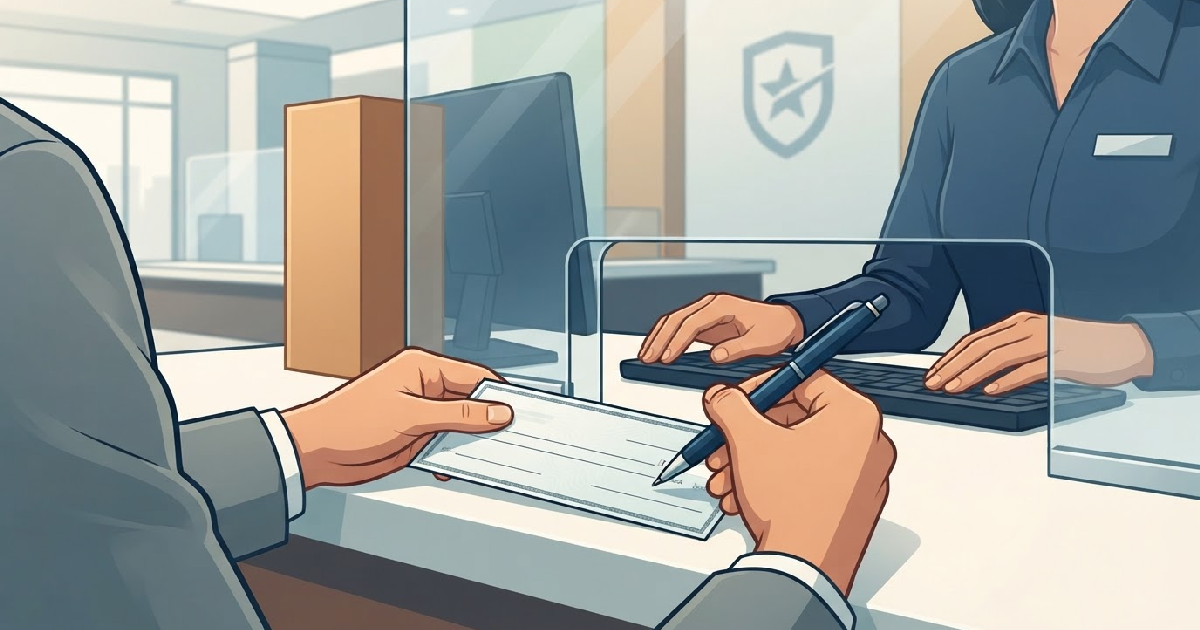
Understanding how to deposit and cash a cheque remains a fundamental skill for managing personal finances. While digital payment methods continue to gain traction, cheques are still a common way to transfer funds for various purposes.
This comprehensive guide explores the current methods available, highlights crucial security measures, and addresses common questions about the entire process.
Understanding Cheques: Fundamentals of Financial Instruments
A cheque functions as a written instruction to a bank, directing it to pay a specified amount of money. This payment is made from the drawer’s account to the designated payee.
These physical documents provide a clear record of transactions, proving invaluable for accounting and resolving potential disputes. They are particularly important when official payment trails are necessary, or electronic transfers are impractical.
Key components of a cheque’s structure
Every cheque contains several essential elements that confirm its legitimacy and facilitate processing. These include the drawer’s name and signature, the bank’s identification, the date, and the payee’s name.
It also features the numerical and written amount, a unique cheque number, a routing number, and the account number. Knowing these components helps in verifying a cheque’s authenticity before any transaction.
For individuals regularly issuing payments, understanding how to write a cheque correctly is crucial. This practice ensures accurate and verifiable financial transactions.
Practical Methods for Handling Cheques: Deposits and Cashing
Whether you receive a cheque from an employer, a client, or a family member, knowing the correct handling procedure is essential. The methods for depositing and cashing funds vary.
Each option comes with its own advantages and specific requirements. Proper execution ensures your funds are available securely and efficiently.
Depositing funds into an account
Depositing a cheque typically involves adding the specified funds to an existing bank account. This often represents the most straightforward and secure method for receiving money.
You can choose from several convenient options, depending on your bank’s offerings and personal preferences. Each method requires specific steps for successful completion.
Traditional bank deposit options
To deposit a cheque at a bank branch, you generally need to fill out a deposit slip. You must also endorse the back of the cheque properly.
Present both items to a teller, who will process the transaction and provide a receipt for your records. Many banks also offer ATM deposits, where you can insert the endorsed cheque directly into the machine.
Always double-check your receipt to confirm the amount and ensure the transaction was successful. This simple step can prevent future discrepancies.
Mobile cheque deposit convenience
Mobile banking applications have transformed cheque deposits, allowing users to deposit funds using their smartphone or tablet. This process typically involves taking clear photos of the front and back of the endorsed cheque within the app.
The application then securely transmits these images to your bank for processing. Always follow the app’s instructions carefully, ensuring clear images and proper endorsement before final submission.
Options for cashing a cheque directly
Cashing a cheque provides immediate physical cash for the amount specified. This can be beneficial if you require instant access to funds rather than waiting for them to clear in an account.
Various options exist for cashing a cheque, each with different fees and requirements. Consider your urgency and accessibility when selecting a method.
Cashing at the issuing bank
Cashing a cheque at the bank it was drawn on is often the most reliable method. Even if you don’t hold an account there, the issuing bank is generally expected to cash its own cheques, provided sufficient funds are available.
You will typically need to present a valid form of identification. Some banks may charge a fee for non-customers, so it is advisable to confirm their policy beforehand.
Using your own bank for cashing
If you have an account with a different bank, you can still present the cheque there for cashing. However, your bank might first deposit it into your account before allowing a cash withdrawal.
The immediate availability of funds depends on your bank’s specific policy and your account standing. Always carry your identification and inquire about their procedures.
Third-party cheque cashing services
For individuals without traditional bank accounts or those needing cash quickly, third-party cheque cashing services offer an alternative. These businesses cash cheques for a fee, which can sometimes be substantial.
They typically require a valid photo ID and may impose limits on the cheque amount they will cash. Always compare fees and ensure the service is reputable before proceeding.
Ensuring Security: Essential Checks Before Any Cheque Transaction
Before proceeding with a cheque deposit or cashing, a few critical checks can prevent delays and potential issues. Verifying details and understanding endorsement rules are paramount.
These preliminary steps safeguard your financial interests and help streamline the entire process. Never overlook these important considerations for security.
Verifying validity and available funds
Always inspect a cheque for accuracy before attempting to deposit or cash it. Check that the date is current, the payee name is correct, and both the numerical and written amounts match precisely.
While you cannot directly verify the issuer’s funds, any unusual markings or discrepancies should be a red flag. If possible, confirm the issuer’s identity to mitigate risks.
Cheque bounce incidents can lead to serious legal implications, so careful verification is always recommended. Understanding cheque dishonour liability is crucial in financial transactions.
Proper endorsement guidelines
Endorsing a cheque properly is a mandatory step for both deposit and cashing transactions. This involves signing the back of the cheque within the designated area.
A simple signature constitutes a “blank endorsement,” making the cheque payable to anyone who possesses it. For enhanced security, a “restrictive endorsement” such as “For Deposit Only” prevents it from being cashed by another party.
Mitigating Risks: Common Issues and Fraud Prevention Strategies
Despite their continued utility, cheques can sometimes present challenges, ranging from dishonoured payments to fraudulent activity. Awareness of these potential pitfalls allows for proactive measures.
Protecting yourself from financial loss involves understanding common problems and implementing best practices. A cautious approach can significantly reduce risks.
Cheque bounce and potential legal ramifications
A cheque “bounces” when the issuer’s account lacks sufficient funds to cover the specified amount. This results in the bank returning the cheque unpaid, often incurring fees for both the drawer and the payee.
Beyond these immediate fees, repeated cheque bounces can lead to significant legal action. This may impact credit scores and potentially involve criminal proceedings, depending on jurisdiction.
Always ensure sufficient funds are available before issuing a cheque to avoid such complications. Reports indicate that the burden of proof in many cheque dishonour cases often falls on the complainant, necessitating thorough documentation.
Effective fraud prevention best practices
Unfortunately, cheque fraud remains a persistent concern in financial transactions. Always be wary of cheques for amounts larger than expected, especially if you are asked to return a portion of the funds.
Never accept a cheque if it appears altered or suspicious in any way. Always verify the issuer and their banking institution if any doubts arise.
Using secure methods for deposits and reporting any suspected fraud to your bank immediately are crucial steps. Vigilance is key to protecting your assets.
Comparative Overview of Cheque Handling Methods
| Method | Typical Availability | Common Fees | Required ID | Security Level |
|---|---|---|---|---|
| Mobile Deposit | Typically within a few business days | Usually Free | None (via app) | High |
| Bank Teller Deposit | Generally within a few business days | Usually Free | Sometimes required | High |
| ATM Deposit | Often within several business days | Usually Free | None (via card) | High |
| Cashing at Issuing Bank | Often immediate, subject to verification | Low to Moderate (for non-customers) | Always required | Medium to High |
| Third-Party Service | Often immediate, subject to service terms | High (percentage of cheque) | Always required | Medium |
How long does it typically take for a cheque to clear?
Cheque clearing times can vary significantly depending on several factors. Funds often become fully available within a few business days, though this is not always guaranteed.
Certain elements, such as the cheque’s amount, the originating bank, or specific bank policies, might extend processing times. Your bank generally provides an estimated availability date for deposited funds.
Is it possible to cash a cheque without holding a bank account?
Yes, it is often possible to cash a cheque even if you do not have a traditional bank account. You can frequently cash a cheque at the bank it was drawn on, although they might impose a fee if you are not a customer.
Alternatively, various third-party cheque cashing services are available, but these typically come with higher service charges. Always remember to bring a valid photo identification for verification.
What happens if a cheque bounces after I have deposited it?
If a cheque bounces after you have deposited it, the funds are typically reversed from your account. Your bank may also impose associated fees for the insufficient funds transaction.
Your bank will notify you about the returned item and the reason for its non-payment. You then have the responsibility to contact the cheque’s issuer to resolve the outstanding payment.