
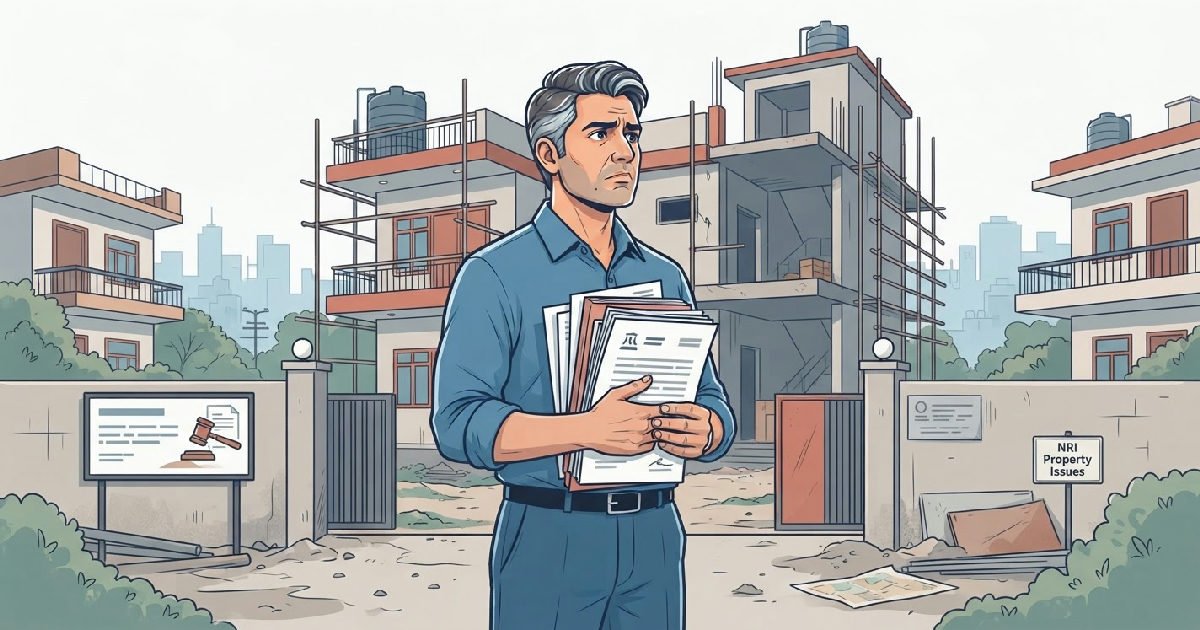
Property owners in Delhi, encompassing both local residents and Non-Resident Indians (NRIs), often navigate a challenging legal landscape. When a property sale stalls, possession faces delays, or title ownership becomes uncertain, these critical issues rarely resolve themselves spontaneously. Engaging experienced property lawyers in delhi offers can be absolutely crucial, as inaction in these matters typically results in escalating costs and prolonged disputes.
Engaging the right property lawyers in delhi is essential to navigate these complexities effectively.
Many clients have found that hiring property lawyers in delhi can alleviate stress associated with property issues.
Such matters demand immediate, professional attention. Waiting often transforms minor setbacks into significant financial and emotional burdens for all parties involved. Whether it involves a recalcitrant relative refusing to vacate a property or a builder failing to deliver on time, these situations powerfully highlight the critical need for timely legal intervention.
Consulting with property lawyers in delhi helps in understanding the nuances of property law.
Professional assistance from property lawyers in delhi can make a significant difference.
Property lawyers in delhi on escalating costs
Working with property lawyers in delhi ensures informed decisions are made during transactions.
Many disputes can be preemptively resolved with the help of property lawyers in delhi.
Property disputes across Delhi are notorious for becoming increasingly expensive over time. A seemingly straightforward issue, like a stuck property sale, can quickly accrue costs related to missed opportunities, contractual penalties, and escalating legal fees. Every day without resolution can significantly chip away at an owner’s financial stability.
Involving property lawyers in delhi at the outset is crucial to avoid escalating conflicts.
Investing in expertise from property lawyers in delhi can save substantial costs down the line.
Statistics show that clients who hire property lawyers in delhi resolve their issues faster.
Having property lawyers in delhi guide you can enhance negotiation outcomes.
This escalating cost isn’t limited solely to financial outlays; it also includes the immense emotional toll of uncertainty and the lost value of a property that remains entangled in legal limbo. Understanding the precise drivers of these increasing expenses is the crucial first step toward effective mitigation and proactive legal strategy.
Common Scenarios Driving Disputes
Delhi’s dynamic real estate market presents a complex array of common property disputes. These frequently include significant builder delays in possession or contentious refund disputes, profound uncertainties regarding title and ownership, and disagreements arising from “agreement to sell” clauses and specific performance demands. Such intricate issues demand precise legal navigation.
Other prevalent conflicts involve the possession and recovery of property, particularly when previous occupants or tenants refuse to vacate. Co-owner and family property disputes also frequently emerge, adding layers of familial complexity to legal proceedings. Engaging a RERA lawyer in Delhi early can significantly impact the outcome of these cases.
The Peril of Inaction
Delaying decisive action in property matters is almost always detrimental to the aggrieved party. A doubtful property title won’t clarify itself over time, nor will a relative voluntarily vacate a premises without appropriate legal pressure. These unresolved situations almost invariably create deeper financial holes and more entrenched, difficult-to-resolve disagreements.
Many buyers incorrectly believe that paying more money simply to “close the deal” will alleviate their problems. However, this desperate approach often compounds their losses by adding more capital to an already troubled investment. It’s a strategy identified as increasing financial exposure rather than resolving the core issue.
| Dispute Category | Primary Impact | Typical Resolution Forum |
|---|---|---|
| Builder Delay & Possession | Financial loss, residential uncertainty | Real Estate Regulatory Authority (RERA) |
| Title & Ownership Issues | Transaction halt, risk of legal challenge | Civil Courts |
| Agreement to Sell Disputes | Stalled property transfer, contractual breach | Civil Courts |
| Possession & Recovery | Loss of property use, protracted litigation | Civil Courts |
| Co-owner & Family Property | Divisive lawsuits, complex settlements | Civil Courts |
| NRI Property Issues | Procedural complexities, communication gaps | Varies (Power of Attorney, Courts) |
Critical Due Diligence Before Committing Funds
To avoid falling prey to costly property disputes, experts consistently advise stringent due diligence before committing financially to any property in Delhi. Buyers must meticulously check all title documents to confirm legitimate and undisputed ownership. This foundational step is absolutely vital for securing a sound and legally defensible investment.
An exhaustive review of the previous chain of ownership is equally important. This process helps uncover any historical discrepancies or unresolved claims that could potentially jeopardize the new owner’s rights down the line. Failing to perform this critical check can lead to years of frustrating and expensive litigation.
Verifying Ownership and Documentation
Comprehensive due diligence involves more than just a cursory glance at documents. It requires a detailed legal examination of every paper to ensure its authenticity, proper execution, and legal validity. This includes scrutinizing mutation records and other transaction-related legal reviews for any red flags.
Legal professionals can conduct these checks, identifying potential flaws in title or undisclosed encumbrances. This forensic approach to documentation safeguards buyers from inheriting existing problems. It’s a preventative measure that pays dividends by averting future legal battles.
Scrutinizing Agreement Terms
Buyers must fully understand the explicit terms of the agreement, including the precise possession date and detailed payment schedule. They also need to diligently ascertain if the property or project has any existing disputes that could impact their ownership or use. Ignorance of these crucial details can easily trap buyers in costly legal battles.
A thorough legal review ensures that all clauses are fair, enforceable, and align with the buyer’s expectations. This includes checking for hidden conditions or ambiguous language. It’s an essential step to prevent later misunderstandings or breaches of contract.
Navigating Builder-Related Conflicts and RERA
NRIs can benefit significantly from consulting with property lawyers in delhi.
Builder-related disputes represent a significant portion of property litigation in Delhi’s booming real estate sector. Issues such as delayed project completion, refusal to provide possession of a booked flat, or discrepancies in promised amenities are common grievances. These situations can leave homebuyers in profound financial and residential limbo.
The Real Estate (Regulation and Development) Act, 2016 (RERA), was specifically established to address many of these urgent concerns. It provides a structured, regulatory mechanism for homebuyers to seek redressal against errant builders. However, its application is specific and often misunderstood.
Utilizing property lawyers in delhi can streamline the management of property from abroad.
RERA as an Initial Recourse
For cases involving delayed property possession of a booked flat, RERA frequently serves as the initial and most effective forum for homebuyers. It provides a regulatory framework designed to ensure timely project delivery and instill greater accountability from developers. This can be a faster route than traditional civil litigation.
For NRIs, having property lawyers in delhi ensures effective communication and management.
RERA aims to bring transparency and fairness to the real estate sector. It sets out specific timelines for project completion and offers avenues for aggrieved buyers to claim compensation or interest for delays. Understanding RERA’s scope is vital for affected homeowners.
Differentiating Legal Pathways
Clear guidance from property lawyers in delhi can prevent misunderstandings in contracts.
It’s crucial to understand that RERA is not a universal solution applicable to all property disputes. Issues specifically concerning property title, general sale agreements, broader possession claims, or complex family property matters often require different legal routes. Mixing these distinct approaches can significantly delay a case’s ultimate resolution.
Professional insights from property lawyers in delhi are invaluable for buyers.
Legal professionals specializing in real estate can advise on the most appropriate forum, whether it’s RERA, the civil courts, or other judicial bodies. This strategic choice is paramount for an efficient and successful outcome, preventing costly procedural missteps that can prolong a case indefinitely.
Addressing Unique Challenges for Non-Resident Indians
Understanding the legal landscape with property lawyers in delhi is critical for buyers.
Non-Resident Indians (NRIs) often face unique complexities when managing their property in Delhi from afar. While geographical distance might initially seem like the primary hurdle, it’s frequently more manageable than perceived with proper planning. Strategic legal arrangements can effectively bridge the physical gap.
The key to successful remote property management critically lies in correctly executing legal documents, especially the Power of Attorney (POA). A well-drafted and properly attested POA allows a designated representative to act on the NRI’s behalf in property matters, ensuring continuity and legal compliance without constant travel.
Legal professionals, such as property lawyers in delhi, are essential for successful transactions.
Engaging property lawyers in delhi from the start can mitigate risks significantly.
Power of Attorney and Remote Management
Confirming the role of property lawyers in delhi can prevent future disputes.
When properly established, a Power of Attorney enables NRIs to oversee property transactions, manage ongoing disputes, and handle various legal proceedings without requiring their constant physical presence. This avoids the necessity of frequent, costly international travel and ensures property matters are addressed promptly.
Involving property lawyers in delhi can facilitate the property management process.
This legal instrument must be meticulously prepared, clearly outlining the powers granted to the attorney. Any ambiguities can lead to further legal complications. Expert legal guidance is essential to ensure the POA is robust and legally sound, fully protecting the NRI’s interests.
Beyond Geographic Distance
Ironically, the physical distance itself is rarely the biggest problem for NRIs in property disputes. Instead, factors like “silence” – meaning a lack of clear, documented communication – and informal family arrangements often cause the most significant issues. Unofficial agreements or unclear understandings can lead to severe misunderstandings and legal challenges later.
Many NRIs encounter problems because they rely on informal understandings or distant family members without formalizing roles or responsibilities. This lack of official documentation becomes a critical vulnerability. Specialized legal services for NRIs can help formalize these arrangements, providing clarity and legal recourse.
The Risks of Verbal Assurances in Property Deals
A pervasive and dangerous pitfall in Delhi’s property transactions is relying solely on verbal assurances from brokers or even the builder’s sales office. Many unsuspecting buyers discover too late that spoken promises hold little to no weight against legally binding written agreements. This often leads to profound disappointment and significant legal complications.
The timeless adage “get it in writing” is especially true and critically important in real estate dealings. Any discrepancy, however minor, between verbal promises and the actual written agreement should serve as a major red flag. This gap necessitates immediate, professional legal review before making any further financial commitment.
Written Agreements Versus Oral Promises
A legally binding agreement to sell or purchase is the definitive document in any property transaction in Delhi. Verbal claims, no matter how earnest or well-intentioned, absolutely cannot supersede the explicit terms and conditions stated in this comprehensive written contract. The written word holds legal precedence.
This principle underscores the importance of a detailed, unambiguous written agreement. Buyers should insist on having every promise and understanding formalized in the contract. Oral assurances, without written backing, offer no legal protection if things go awry.
Legal Review Before Further Payments
Before making any subsequent payments, particularly when doubts or discrepancies arise, a thorough legal check of the entire file is indispensable. This proactive step can prevent significant financial losses and avoid future protracted litigation, thereby safeguarding the buyer’s substantial investment.
Free consultations, often offered via WhatsApp or call for property transaction or possession disputes, provide an accessible entry point for initial advice. Utilizing such resources can offer crucial clarity before taking irreversible financial steps in a complex property matter.
Why do property disputes in Delhi become more costly over time?
Property disputes in Delhi typically escalate in cost due to factors like stuck sales, delayed possession, relatives refusing to vacate, or unclear titles. These issues don’t self-resolve; instead, they accrue penalties, legal fees, and lost opportunities, making timely intervention from `property lawyers Delhi` offers essential.
What are the primary checks before purchasing a property in Delhi?
Before buying property in Delhi, you must verify all title documents, review the previous chain of ownership, and scrutinize agreement terms including possession dates and payment schedules. It’s also crucial to determine if any disputes currently affect the property or project.
How can Non-Resident Indians manage their property disputes in Delhi without being physically present?
Non-Resident Indians (NRIs) can manage property disputes in Delhi effectively by correctly executing legal papers and a Power of Attorney. This arrangement allows a designated representative to handle matters, proving that distance isn’t the main issue, but rather factors like silence or informal family agreements.
Related Services: https://arpitmarwah.com/real-estate-lawyer/